
Introduction
Small house interior design has become one of the most popular home improvement trends in recent years. As urban living grows and property prices increase, many people are choosing smaller homes that are practical, affordable, and easier to maintain. However, designing a compact home can feel challenging if you do not know how to use your space wisely.
The good news is that a small house can still feel open, modern, and comfortable with the right design techniques. A well-planned layout, smart furniture choices, and balanced colors can completely transform even the tiniest room. Instead of focusing on limited space, modern interior design focuses on maximizing functionality while keeping the home visually attractive.
Many homeowners believe they need a large property to create a stylish interior. In reality, thoughtful decorating and efficient organization matter more than square footage. Small homes can feel cozy, welcoming, and luxurious when designed carefully.
In this guide, you will learn everything about small house interior design, including practical decorating ideas, furniture arrangement tips, lighting strategies, storage solutions, and common mistakes to avoid. Whether you live in a studio apartment, a tiny house, or a compact family home, these ideas will help you create a beautiful living environment without overcrowding your space.
What Is Small House Interior Design?
Small house interior design is the process of decorating and organizing compact living spaces in a way that improves comfort, functionality, and appearance. The goal is to maximize every inch of space without making the home feel crowded or uncomfortable.
This design style focuses on:
- Efficient furniture placement
- Smart storage solutions
- Open layouts
- Light color palettes
- Multi-functional furniture
- Minimal clutter
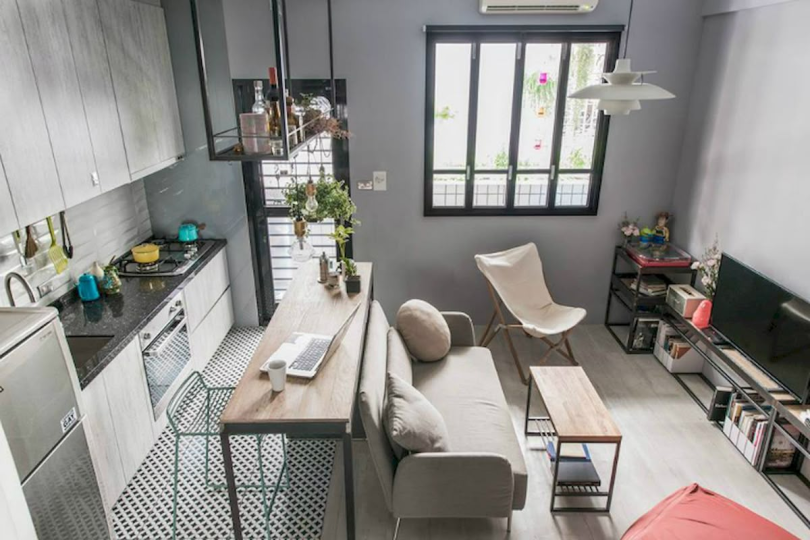
For example, a small living room may include a sofa bed, wall shelves, and a foldable coffee table to save space while maintaining style.
Small house interior design does not mean sacrificing beauty. Instead, it encourages creativity and smart planning. Many modern small homes look elegant because every design element has a purpose.
Popular styles used in compact homes include:
- Minimalist design
- Scandinavian interiors
- Modern contemporary style
- Japandi design
- Rustic small-space decor
Each style emphasizes simplicity, clean lines, and functionality, which work perfectly in smaller homes.
Why Is Small House Interior Design Important?
Good interior design improves both the appearance and usability of a home. In a small house, proper planning becomes even more important because limited space can quickly feel cluttered and uncomfortable.
Here are several reasons why small house interior design matters.
Creates Better Functionality
Every area in a compact home should serve a purpose. Smart design helps homeowners use rooms efficiently without wasting valuable space.
Makes Rooms Feel Larger
Using mirrors, natural lighting, and proper furniture placement can visually expand small spaces and make them feel open.
Reduces Clutter
A well-organized home feels calmer and more relaxing. Interior design encourages better storage habits and cleaner spaces.
Improves Comfort
Comfort is essential in any home. Proper spacing, lighting, and furniture arrangement create a more pleasant living environment.
Enhances Home Value
Stylish interiors increase the appeal of a property. Even a tiny home can attract buyers if it looks modern and functional.
Supports Modern Living
Today’s homeowners often prefer practical and low-maintenance living spaces. Compact interior design supports this lifestyle perfectly.
Detailed Step-by-Step Guide
Step 1: Plan Your Space Carefully
Before decorating, measure your rooms properly. Knowing the exact dimensions helps you choose furniture that fits comfortably.
Draw a simple floor plan and identify areas for:
- Seating
- Storage
- Walking space
- Dining
- Sleeping
Avoid filling every corner with furniture. Empty space helps rooms feel larger.
Example
If your living room is narrow, place furniture against walls to create better movement throughout the space.
Step 2: Choose Light Colors
Color plays a major role in small house interior design. Light shades reflect more light, making rooms appear brighter and larger.
Best color choices include:
- White
- Beige
- Soft gray
- Cream
- Pale blue
- Light green
Dark colors can still work in accents, but using them excessively may make rooms feel smaller.
Pro Tip
Paint ceilings white to create the illusion of height.
Step 3: Use Multi-Functional Furniture
Furniture with multiple purposes is ideal for compact homes.
Popular space-saving furniture options include:
- Sofa beds
- Storage ottomans
- Foldable dining tables
- Wall-mounted desks
- Beds with drawers
- Nesting tables
These pieces save space while improving functionality.
Example
A storage bench near the entrance can provide seating while storing shoes and bags inside.
Step 4: Maximize Vertical Space
Many homeowners focus only on floor space and forget about walls. Vertical storage helps keep rooms organized without overcrowding them.
Ideas include:
- Floating shelves
- Tall bookcases
- Hanging organizers
- Wall hooks
- Mounted cabinets
Vertical design keeps floors clear and creates a cleaner appearance.
Step 5: Improve Lighting
Lighting has a major impact on how spacious a room feels.
Natural light is always the best option. Keep windows open and avoid heavy curtains whenever possible.
You can also add:
- Recessed lighting
- Floor lamps
- Wall sconces
- LED strip lights
- Pendant lights
Bright spaces automatically feel larger and more welcoming.
Example
Placing a mirror opposite a window helps reflect sunlight throughout the room.
Step 6: Keep the Design Minimal
Minimalism works extremely well in compact homes. Too many decorations can make rooms look chaotic.
Focus on:
- Clean lines
- Simple furniture
- Neutral colors
- Limited accessories
- Organized layouts
Instead of filling every wall with decorations, choose a few meaningful items.
Step 7: Add Mirrors Strategically
Mirrors create the illusion of more space by reflecting light and surroundings.
Best mirror placements include:
- Opposite windows
- Behind furniture
- Hallway walls
- Dining areas
Large mirrors are especially effective in tiny rooms.
Step 8: Create Smart Storage Areas
Storage is essential in small homes. Hidden storage solutions help maintain a clean and organized environment.
Useful ideas include:
- Under-bed storage
- Built-in shelves
- Staircase drawers
- Hanging baskets
- Cabinet organizers
Always look for unused areas that can provide extra storage.
Step 9: Define Separate Zones
Open layouts are common in small homes. However, defining different areas improves functionality.
You can separate zones using:
- Rugs
- Furniture placement
- Curtains
- Lighting
- Open shelving
For example, a bookshelf can divide a living area from a workspace without blocking light.
Step 10: Personalize the Space
A small house should still reflect your personality and lifestyle.
Add personal touches through:
- Artwork
- Plants
- Textiles
- Decorative cushions
- Family photos
Avoid excessive decoration and focus on quality over quantity.
Benefits of Small House Interior Design
Small house interior design offers several practical and visual benefits.
- Makes compact homes feel larger
- Improves organization and storage
- Reduces unnecessary clutter
- Creates a cozy living environment
- Saves money on furniture and decoration
- Encourages efficient space usage
- Supports modern minimalist lifestyles
- Improves daily comfort and convenience
- Enhances property appearance
- Reduces maintenance efforts
Additionally, smaller homes often consume less energy, making them more environmentally friendly.
Disadvantages / Risks
Although compact homes offer many benefits, there are also some challenges.
- Limited storage space
- Rooms may feel crowded without proper planning
- Large furniture may not fit comfortably
- Privacy can be limited in open layouts
- Decorating mistakes become more noticeable
- Excessive clutter can quickly overwhelm the space
- Multi-functional furniture may cost more initially
- Limited space for entertaining guests
However, careful planning can minimize most of these problems.
Common Mistakes to Avoid
Many homeowners unknowingly make design choices that reduce the functionality of small spaces. Avoiding these mistakes can greatly improve your home.
Using Oversized Furniture
Large sofas and bulky cabinets consume too much space. Always choose furniture that matches room dimensions.
Ignoring Storage Needs
Lack of storage leads to clutter. Include storage solutions during the planning stage instead of adding them later.
Choosing Dark Paint Colors
Dark walls can make rooms feel enclosed. Use lighter tones for a more open appearance.
Blocking Natural Light
Heavy curtains and large furniture near windows reduce brightness. Keep windows as open as possible.
Overdecorating
Too many decorations create visual chaos. Keep accessories simple and balanced.
Poor Furniture Arrangement
Improper placement can block movement and make rooms uncomfortable. Leave enough walking space between furniture pieces.
Forgetting Vertical Space
Unused walls waste valuable storage opportunities. Install shelves or cabinets to maximize wall space.
Following Trends Blindly
Not every trend works in small homes. Focus on practical design instead of copying oversized luxury interiors.
FAQs
1. What colors are best for small house interior design?
Light colors such as white, cream, beige, and soft gray are ideal because they reflect light and create a spacious feeling. You can also use pastel shades for warmth and personality.
2. How can I make a small living room look bigger?
Use mirrors, light colors, compact furniture, and proper lighting. Keeping the room organized and reducing clutter also helps create a more open appearance.
3. Is minimalism necessary for small homes?
Minimalism is not mandatory, but it works very well in compact spaces. A clean and simple design prevents overcrowding and improves comfort.
4. What type of furniture works best in a small house?
Multi-functional furniture is the best option. Sofa beds, foldable tables, storage benches, and wall-mounted desks help save valuable space.
5. How do I increase storage in a compact home?
Use vertical shelves, under-bed storage, wall hooks, built-in cabinets, and hidden storage furniture. Every unused corner can become a useful storage area.
6. Can dark colors work in small interiors?
Yes, but they should be used carefully. Dark colors work best as accent shades rather than main wall colors. Pair them with light furniture and good lighting.
7. Are open floor plans good for small houses?
Yes, open layouts make homes feel larger by removing unnecessary walls and improving natural light flow throughout the space.
8. How important is lighting in small house interior design?
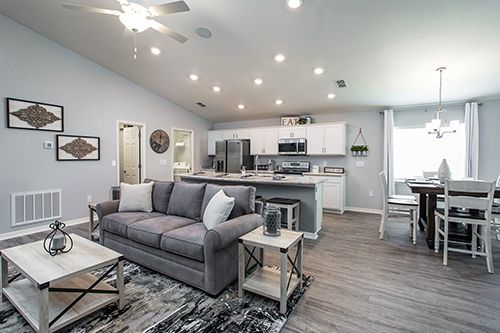
Lighting is extremely important because bright rooms feel larger and more welcoming. Natural light combined with layered artificial lighting creates the best effect.
Expert Tips & Bonus Points
Professional designers often use creative tricks to maximize compact interiors. These expert tips can help improve both style and functionality.
Use Glass and Transparent Materials
Glass tables and acrylic furniture create a lighter visual effect because they do not block the view of the room.
Add Indoor Plants
Small plants bring freshness and color into compact spaces. Choose low-maintenance plants that fit easily on shelves or tables.
Install Sliding Doors
Traditional doors require extra opening space. Sliding doors save room and improve movement inside the house.
Choose Furniture with Legs
Furniture raised slightly above the floor creates a more open appearance because you can see more floor space underneath.
Use Rugs Carefully
Large rugs can make rooms feel bigger when placed correctly. Avoid using many small rugs that divide the space visually.
Keep a Consistent Color Theme
Using too many colors can make interiors look chaotic. A consistent palette creates harmony and balance.
Invest in Custom Furniture
Custom-built furniture can fit awkward spaces perfectly and maximize every inch of the room.
Focus on Quality Instead of Quantity
A few well-designed pieces often look better than overcrowding the room with inexpensive decorations.
Use Hidden Technology
Wall-mounted televisions and wireless devices reduce visible clutter and create a cleaner design.
Rotate Decorations Seasonally
Instead of displaying everything at once, rotate decorative items throughout the year to maintain a fresh and uncluttered appearance.
Conclusion
Small house interior design proves that limited space does not mean limited style. With smart planning and creative ideas, even the smallest home can feel comfortable, functional, and visually appealing. The key is to focus on simplicity, organization, and efficient use of every corner.
Light colors, multi-functional furniture, proper lighting, and clever storage solutions all contribute to a more spacious atmosphere. At the same time, adding personal touches helps transform a compact house into a warm and welcoming home. Rather than trying to fit too many items into one area, successful small-space design emphasizes balance and thoughtful arrangement.
Modern homeowners are increasingly choosing compact living because it supports affordability, sustainability, and easier maintenance. A well-designed small house can provide everything needed for comfortable daily living while still looking elegant and modern.
Whether you are redesigning a studio apartment, a tiny home, or a compact family house, the principles discussed in this guide can help you make better design decisions. By avoiding clutter, maximizing functionality, and choosing practical decor, you can create a stylish interior that feels much larger than its actual size.
Ultimately, great interior design is not about how big a house is. It is about how effectively the available space is used to improve comfort, beauty, and everyday living.