
Introduction
Minimalist home design has become one of the most popular interior design styles in recent years. People are moving away from overcrowded rooms and unnecessary decoration because they want homes that feel calm, practical, and visually appealing. A minimalist space creates balance, improves comfort, and helps homeowners enjoy a more organized lifestyle.
The main idea behind minimalist home design is simplicity. Instead of filling rooms with too many items, this design style focuses on essential furniture, clean lines, open space, and functional decor. Every object in the room serves a purpose while still maintaining beauty and elegance. This creates a peaceful environment that feels modern and welcoming.
Many beginners believe minimalist homes look empty or boring. However, that is not true. A properly designed minimalist interior can look warm, luxurious, and highly sophisticated. The secret lies in choosing quality over quantity and creating harmony through color, lighting, texture, and layout.
Minimalist home design works well for apartments, family homes, studios, and even small spaces. It is also budget-friendly because homeowners spend less on unnecessary decoration and furniture. Additionally, maintaining a minimalist home is much easier compared to heavily decorated interiors.
In this guide, you will learn everything about minimalist home design, including its importance, practical steps, benefits, common mistakes, expert tips, and answers to frequently asked questions. Whether you are redesigning your entire home or simply refreshing one room, this article will help you create a clean and timeless living space.
What is Minimalist Home Design?
Minimalist home design is an interior and architectural style focused on simplicity, functionality, and clean aesthetics. It removes unnecessary elements and highlights only the essentials. The goal is to create spaces that feel open, organized, and peaceful.
This design philosophy follows the concept of “less is more.” Instead of using excessive decoration, minimalist interiors depend on thoughtful furniture placement, neutral colors, natural light, and uncluttered layouts.
A minimalist home often includes:
- Neutral color palettes
- Simple furniture designs
- Open spaces
- Limited decorative items
- Functional storage solutions
- Clean geometric lines
- Natural materials like wood and stone
For example, a minimalist living room may contain a comfortable sofa, a wooden coffee table, soft lighting, and one or two decorative pieces instead of crowded shelves and excessive accessories.
Minimalism is not about removing personality from a home. Instead, it encourages homeowners to choose meaningful items carefully and create an environment that supports relaxation and productivity.
Why is Minimalist Home Design Important?
Minimalist home design is important because it improves both physical spaces and mental well-being. Modern life can feel stressful and overwhelming, and cluttered homes often increase anxiety and distraction. A minimalist environment promotes peace and simplicity.
Here are some reasons why minimalist home design matters:
Creates a Calm Atmosphere
Clean and organized spaces help people feel relaxed. Minimalist interiors reduce visual noise and create a peaceful environment.
Makes Small Spaces Look Bigger
Minimalist layouts use open space effectively. This makes apartments and compact rooms appear larger and brighter.
Improves Functionality
Every item in a minimalist home serves a purpose. This improves movement, organization, and daily comfort.
Saves Money
Minimalist homeowners buy fewer unnecessary items. Investing in quality furniture instead of quantity reduces long-term expenses.
Easier Maintenance
Homes with fewer objects are easier to clean and maintain. Dusting, organizing, and daily chores become much simpler.
Timeless Appearance
Minimalist home design rarely goes out of style. Neutral colors and simple layouts remain attractive for many years.
Supports Better Focus
A clutter-free environment improves concentration and productivity, especially for people working or studying from home.
Detailed Step-by-Step Guide
Step 1: Declutter Your Space
Decluttering is the foundation of minimalist home design. Remove unnecessary items that no longer serve a purpose or bring value to your life.
Start with one room at a time. Separate items into categories:
- Keep
- Donate
- Recycle
- Discard
Focus on clearing countertops, shelves, and floor spaces. A cleaner environment instantly creates a minimalist appearance.
Example
If your bedroom contains unused furniture, extra decorations, and piles of clothing, remove nonessential items and keep only practical pieces.
Step 2: Choose a Neutral Color Palette
Minimalist interiors usually rely on soft and neutral colors because they create a calm and clean atmosphere.
Popular minimalist colors include:
- White
- Beige
- Light gray
- Cream
- Soft brown
- Muted earth tones
These colors reflect natural light and make rooms feel more spacious.
You can also add subtle accent colors through cushions, rugs, or artwork, but avoid overwhelming combinations.
Step 3: Invest in Functional Furniture
Minimalist furniture should combine beauty with practicality. Choose pieces that are simple, comfortable, and useful.
Good minimalist furniture features:
- Clean lines
- Neutral fabrics
- Compact designs
- Hidden storage
- Durable materials
Avoid oversized or heavily decorated furniture.
Example
A bed frame with built-in drawers saves space and reduces clutter in a minimalist bedroom.
Step 4: Maximize Natural Light
Natural light is essential in minimalist home design because it makes rooms feel open and fresh.
Ways to improve lighting include:
- Using sheer curtains
- Keeping windows unobstructed
- Adding mirrors
- Choosing light-colored walls
- Using glass elements
Bright spaces naturally appear cleaner and more inviting.
Step 5: Use Smart Storage Solutions
Storage plays a major role in maintaining a minimalist home.
Useful storage ideas include:
- Floating shelves
- Under-bed storage
- Built-in cabinets
- Multi-purpose furniture
- Hidden compartments
The goal is to keep surfaces clean while still storing daily essentials efficiently.
Step 6: Add Minimal Decorations
Minimalist decor should enhance the room without creating visual clutter.
Suitable decorative elements include:
- Simple artwork
- Indoor plants
- Ceramic vases
- Soft rugs
- Textured cushions
Choose a few meaningful decorations instead of overcrowding the room.
Example
A single framed art piece above a sofa often looks more elegant than an entire gallery wall.
Step 7: Focus on Quality Over Quantity
Minimalism encourages thoughtful purchasing decisions. Instead of buying many low-quality items, invest in fewer high-quality products.
Quality furniture and materials last longer, look better, and create a sophisticated appearance.
Step 8: Maintain Open Space
Minimalist homes avoid unnecessary crowding. Leave enough empty space around furniture to create balance and improve movement.
Open layouts help rooms feel larger and more comfortable.
Step 9: Incorporate Natural Materials
Natural materials bring warmth to minimalist interiors and prevent spaces from feeling cold.
Popular materials include:
- Wood
- Linen
- Cotton
- Stone
- Bamboo
Combining these textures creates a balanced and inviting atmosphere.
Step 10: Keep Daily Habits Organized
Minimalism is not only a design style but also a lifestyle habit.
Maintain your space by:
- Cleaning regularly
- Avoiding unnecessary shopping
- Organizing items daily
- Donating unused belongings
Consistency helps preserve the minimalist aesthetic over time.
Benefits of Minimalist Home Design
Minimalist home design offers many practical and emotional benefits.
Better Organization
- Reduces clutter
- Improves storage efficiency
- Makes items easier to find
Lower Stress Levels
- Creates peaceful surroundings
- Reduces visual distractions
- Promotes mental clarity
Increased Space
- Makes small rooms feel larger
- Improves movement within the home
- Enhances airflow and lighting
Easier Cleaning
- Fewer objects collect dust
- Faster daily maintenance
- Simplifies household chores
Improved Financial Habits
- Encourages mindful spending
- Reduces impulse purchases
- Focuses on long-term value
Timeless Style
- Neutral designs remain fashionable
- Avoids rapidly changing trends
- Maintains elegance for years
Enhanced Productivity
- Cleaner spaces improve focus
- Supports efficient work environments
- Encourages better routines
Eco-Friendly Lifestyle
- Reduces unnecessary consumption
- Promotes sustainable choices
- Encourages durable purchases
Disadvantages / Risks
Although minimalist home design has many advantages, it also comes with some challenges.
Can Feel Too Empty
- Excessive minimalism may create a cold atmosphere
- Lack of personal touches can reduce warmth
Requires Discipline
- Maintaining organization needs consistency
- Clutter can quickly ruin the minimalist appearance
Initial Investment Can Be Expensive
- High-quality furniture often costs more
- Custom storage solutions may increase expenses
Limited Decoration Freedom
- Some people enjoy colorful and detailed interiors
- Minimalism may feel restrictive for creative personalities
Hard for Large Families
- Families with children may struggle with maintaining uncluttered spaces
- More storage and organization are required
Risk of Following Trends Blindly
- Copying social media designs without considering functionality may create impractical spaces
Common Mistakes to Avoid
Many homeowners misunderstand minimalist home design and make avoidable mistakes.
Removing Too Much Furniture
Minimalism should create comfort, not emptiness. Rooms still need functional and cozy furniture.
Ignoring Comfort
Some people focus only on appearance and forget practicality. Comfortable seating and soft textures are essential.
Using Only White
White is popular in minimalist interiors, but relying solely on white can make rooms feel lifeless. Add warmth with natural textures and subtle tones.
Poor Storage Planning
Without proper storage, clutter quickly returns. Smart organization is necessary for maintaining a clean look.
Buying Cheap Trendy Furniture
Low-quality furniture may not last long and can reduce the elegance of the space.
Overdecorating
Adding too many decorative pieces defeats the purpose of minimalist design.
Neglecting Lighting
Dark spaces feel dull and smaller. Proper natural and artificial lighting are important for minimalist interiors.
Ignoring Personal Style
Your home should still reflect your personality. Include meaningful artwork, books, or decor carefully.
FAQs
1. Is minimalist home design suitable for small apartments?
Yes, minimalist home design works extremely well for small apartments because it maximizes space and reduces clutter. Neutral colors, smart storage, and compact furniture make small rooms feel larger and brighter.
2. Does minimalist design mean having fewer belongings?
Minimalism encourages owning only useful and meaningful items. It does not require removing everything from your home. The focus is on intentional living and avoiding unnecessary clutter.
3. What colors work best in minimalist interiors?
Neutral shades such as white, beige, gray, cream, and soft earth tones work best. These colors create calmness and improve natural light reflection.
4. How can I make a minimalist home feel warm?
Use natural materials, soft fabrics, warm lighting, wooden furniture, and indoor plants. These elements create balance and comfort within minimalist spaces.
5. Is minimalist home design expensive?
It can be affordable or expensive depending on your choices. While quality furniture may cost more initially, minimalist living reduces unnecessary spending over time.
6. Can families with children use minimalist design?
Yes, families can successfully adopt minimalist home design by focusing on smart storage, organization, and practical furniture. Flexible spaces are especially useful for family homes.
7. What type of furniture fits minimalist interiors?
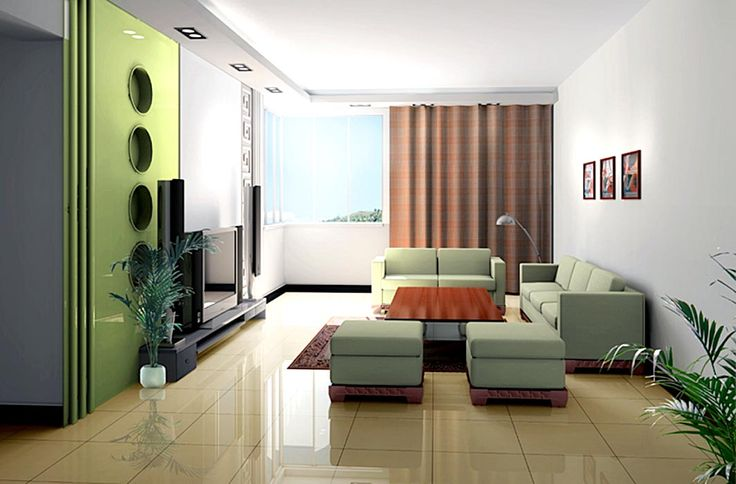
Furniture with clean lines, simple shapes, neutral colors, and functional features fits best. Multi-purpose furniture is also highly recommended.
8. Are plants suitable for minimalist homes?
Yes, indoor plants add freshness, texture, and natural beauty. Minimalist interiors often use a few carefully placed plants for visual balance.
Expert Tips & Bonus Points
Creating a successful minimalist home requires thoughtful planning and consistency. These expert tips can help improve your results.
Start Slowly
Do not redesign your entire home overnight. Begin with one room and gradually apply minimalist principles throughout the house.
Follow the One-In-One-Out Rule
Whenever you buy a new item, remove an old one. This habit prevents clutter from building again.
Use Texture for Depth
Minimalist rooms can feel flat without texture. Combine wood, fabric, rugs, and natural materials to add warmth and visual interest.
Prioritize Functionality
Every piece of furniture should serve a practical purpose. Avoid buying items only because they look trendy.
Keep Surfaces Clear
Countertops, tables, and shelves should remain mostly empty. Clean surfaces instantly improve the minimalist appearance.
Choose Timeless Designs
Classic furniture styles and neutral colors remain attractive for many years and reduce the need for constant redesigning.
Add Personal Touches Carefully
A minimalist home should still feel personal. Include meaningful artwork, travel souvenirs, or family photographs in moderation.
Focus on Lighting Layers
Combine natural light, ceiling lights, floor lamps, and soft accent lighting to create a comfortable atmosphere.
Organize Hidden Spaces
Minimalism is not only about visible areas. Closets, drawers, and cabinets should also stay organized.
Think Long Term
Minimalist home design is more than a temporary trend. It is a lifestyle that encourages intentional living and mindful choices.
Conclusion
Minimalist home design is more than a decorating style. It represents a thoughtful way of living that values simplicity, comfort, and functionality. By removing unnecessary clutter and focusing on essential elements, homeowners can create spaces that feel calm, elegant, and highly practical.
One of the greatest strengths of minimalist home design is its flexibility. Whether you live in a small apartment or a large family house, minimalist principles can improve organization, increase comfort, and make rooms appear more spacious. Neutral colors, smart storage solutions, natural lighting, and quality furniture all contribute to a timeless and sophisticated environment.
Although maintaining minimalism requires discipline and planning, the long-term benefits are worth the effort. Cleaner spaces reduce stress, improve focus, and simplify everyday routines. In addition, minimalist living encourages mindful spending habits and supports a more sustainable lifestyle.
The key to successful minimalist home design is balance. Your home should feel simple without becoming cold or empty. Thoughtful decor, warm textures, and personal touches help create a welcoming atmosphere while still maintaining a clean aesthetic.
By following the practical steps, avoiding common mistakes, and applying expert tips from this guide, you can transform your living space into a modern and peaceful home that supports both beauty and functionality for years to come.