
Introduction
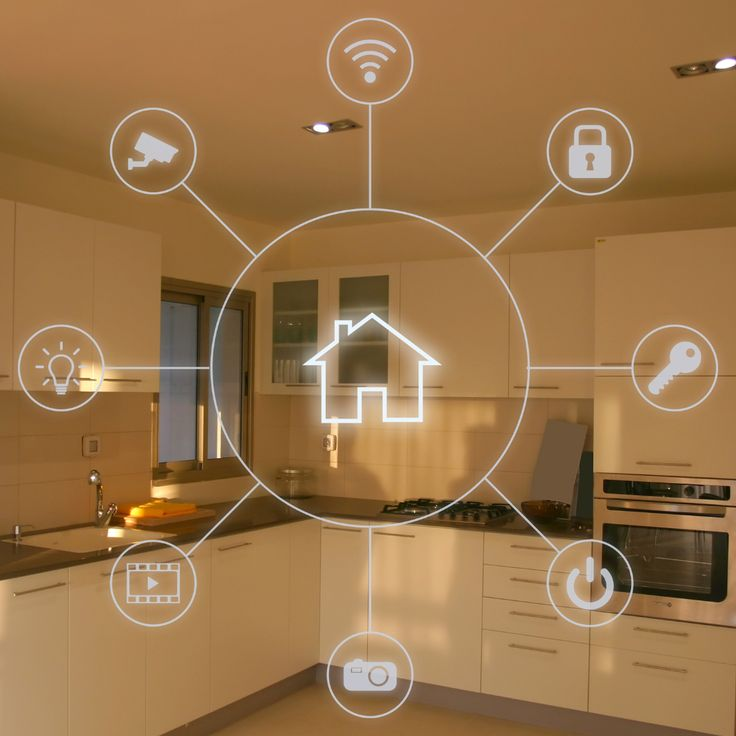
AI smart home technology is changing the way people live, work, and manage their homes. From voice-controlled assistants to intelligent security systems, modern homes are becoming more connected and convenient than ever before. Today, homeowners can automate lighting, control appliances remotely, improve security, and even reduce electricity costs using smart systems powered by artificial intelligence.
The popularity of AI smart home technology continues to grow because it offers comfort, efficiency, and better control over daily routines. Instead of manually adjusting devices throughout the day, homeowners can rely on intelligent systems that learn habits and respond automatically. For example, smart thermostats can adjust room temperatures based on personal preferences, while smart cameras can detect unusual movement and send alerts instantly.
Another reason people are adopting AI smart home technology is the increasing availability of affordable smart devices. What was once considered luxury technology is now accessible to beginners and average households. Smart speakers, automated lights, video doorbells, and robotic vacuum cleaners have become common in many homes around the world.
This guide explains everything beginners and intermediate users need to know about AI smart home technology. You will learn how it works, why it matters, how to set up a smart home, the benefits and risks involved, common mistakes to avoid, and expert tips for creating a smarter living space. Whether you want convenience, security, or energy efficiency, smart home systems can completely transform your everyday life.
What is AI Smart Home Technology?
AI smart home technology refers to the use of artificial intelligence and connected devices to automate and improve household functions. These systems use sensors, internet connectivity, machine learning, and automation tools to perform tasks with minimal human effort.
Unlike traditional electronic devices, smart home systems can collect data, learn user behavior, and make intelligent decisions. This allows devices to work together and create a more personalized home environment.
Examples of AI smart home technology include:
- Smart lighting systems
- Voice assistants
- Intelligent thermostats
- Smart security cameras
- Automated door locks
- Smart kitchen appliances
- Robotic vacuum cleaners
- Smart entertainment systems
For example, a smart lighting system can automatically turn lights off when no one is in the room. A smart thermostat can learn your daily routine and adjust the temperature accordingly. These features improve convenience while also reducing unnecessary energy consumption.
Artificial intelligence plays a major role because it helps devices understand patterns and respond intelligently. Over time, smart systems become more accurate and personalized based on user behavior.
Why is AI Smart Home Technology Important?
AI smart home technology is important because it improves the quality of life in several ways. It provides convenience, saves time, enhances home security, and increases energy efficiency.
One major advantage is automation. People no longer need to manually manage every device in the house. Smart systems can automate repetitive tasks, making daily routines easier and faster.
Security is another important factor. Smart cameras, motion detectors, and intelligent locks help homeowners monitor their property in real time. Many systems send instant alerts to smartphones if suspicious activity is detected.
Energy efficiency is also a key benefit. AI-powered devices can optimize electricity use by turning off unused appliances and adjusting settings automatically. This helps reduce utility bills and supports environmentally friendly living.
Additionally, AI smart home technology improves accessibility for elderly individuals and people with disabilities. Voice commands and automation features allow easier control of home devices without physical effort.
Businesses and property developers are also investing heavily in smart home solutions because consumer demand continues to increase. Modern buyers often prefer homes equipped with advanced smart technology.
Detailed Step-by-Step Guide
Step 1: Understand Your Needs
Before buying smart devices, identify your main goals. Some people focus on security, while others prioritize comfort or energy savings.
Ask yourself questions like:
- Do you want better home security?
- Are you trying to reduce electricity costs?
- Do you need voice-controlled convenience?
- Are you interested in home entertainment automation?
Understanding your needs helps you choose the right devices without overspending.
Step 2: Choose a Smart Home Ecosystem
A smart home ecosystem is the platform that connects and controls your devices. Popular ecosystems include voice assistants and smart home hubs.
Choose one ecosystem to ensure compatibility between devices. This makes setup easier and improves overall performance.
Factors to consider include:
- Device compatibility
- Ease of use
- Mobile app quality
- Voice control features
- Automation options
Using one ecosystem prevents connection issues and simplifies management.
Step 3: Start with Basic Smart Devices
Beginners should start with a few essential smart devices before creating a fully automated home.
Common starter devices include:
- Smart bulbs
- Smart plugs
- Smart speakers
- Smart thermostats
- Smart cameras
These devices are easy to install and provide immediate benefits. Starting small also helps users learn how AI smart home technology works.
Step 4: Install and Connect Devices
Most smart devices connect through Wi-Fi or Bluetooth. Follow the manufacturer’s instructions carefully during setup.
General installation steps include:
- Download the device app
- Connect the device to Wi-Fi
- Create a user account
- Pair the device with the smart ecosystem
- Test functionality
Always update device software after installation to improve security and performance.
Step 5: Create Automation Routines
Automation is one of the most valuable features of AI smart home technology. Routines allow devices to perform actions automatically based on schedules or conditions.
Examples include:
- Lights turning on at sunset
- Thermostat adjusting at bedtime
- Doors locking automatically at night
- Coffee machine starting in the morning
Automation saves time and improves convenience significantly.
Step 6: Use Voice Control Features
Voice assistants allow users to control devices using simple spoken commands.
Examples of voice commands include:
- Turn off bedroom lights
- Increase room temperature
- Play music in the living room
- Lock the front door
Voice control makes daily tasks faster and more convenient.
Step 7: Improve Home Security
Smart security systems are among the most popular applications of AI smart home technology.
Important security devices include:
- Video doorbells
- Motion sensors
- Smart locks
- Indoor cameras
- Outdoor surveillance cameras
These systems allow homeowners to monitor their property remotely using smartphones.
Step 8: Monitor Energy Usage
Many smart devices provide energy reports and usage insights.
You can monitor:
- Electricity consumption
- Appliance usage patterns
- Heating and cooling costs
- Lighting efficiency
This information helps homeowners make smarter energy decisions and reduce bills.
Step 9: Expand Your Smart Home Gradually
After becoming comfortable with basic devices, you can add more advanced systems.
Advanced smart home additions may include:
- Smart refrigerators
- Automated blinds
- Smart irrigation systems
- AI-powered washing machines
- Multi-room entertainment systems
Expanding gradually prevents technical confusion and unnecessary expenses.
Step 10: Maintain and Update Your Devices
Regular maintenance is important for performance and security.
Best practices include:
- Updating firmware regularly
- Changing passwords periodically
- Monitoring device activity
- Replacing outdated devices
- Backing up important settings
Proper maintenance ensures your smart home remains safe and efficient.
Benefits of AI Smart Home Technology
AI smart home technology offers many advantages for homeowners and families.
Convenience
- Automates daily household tasks
- Allows remote control of devices
- Simplifies home management
- Saves time and effort
Improved Security
- Real-time security monitoring
- Instant smartphone alerts
- Remote access to cameras and locks
- Enhanced burglary prevention
Energy Efficiency
- Reduces unnecessary power usage
- Optimizes heating and cooling
- Lowers electricity bills
- Supports environmentally friendly living
Better Comfort
- Personalized temperature settings
- Automated lighting control
- Voice-controlled entertainment
- Smart sleep environment management
Increased Property Value
- Modern smart homes attract buyers
- Advanced technology improves market appeal
- Smart security systems add value
Accessibility Support
- Helpful for elderly individuals
- Assists people with mobility challenges
- Enables voice-based control systems
Disadvantages / Risks
Despite the benefits, AI smart home technology also has some disadvantages and risks.
Privacy Concerns
- Devices may collect personal data
- Voice assistants can record conversations
- Security cameras may raise privacy issues
Internet Dependency
- Many devices require internet access
- System failures may occur during outages
- Limited functionality without connectivity
Cybersecurity Risks
- Weak passwords increase hacking risks
- Poorly secured devices may be vulnerable
- Data breaches can expose personal information
Initial Costs
- Smart devices can be expensive
- Full home automation requires investment
- Maintenance costs may increase over time
Compatibility Problems
- Some devices may not work together
- Different ecosystems can create confusion
- Software updates may affect compatibility
Technical Complexity
- Beginners may struggle with setup
- Troubleshooting can be difficult
- Frequent updates require attention
Common Mistakes to Avoid
Many beginners make avoidable mistakes when setting up AI smart home technology.
One common mistake is buying too many devices at once. Starting with multiple complicated systems can become overwhelming. It is better to begin with essential devices and expand gradually.
Another mistake is ignoring compatibility. Some users purchase devices from different ecosystems that do not work well together. Always check compatibility before buying.
Weak passwords are another major issue. Smart devices connected to the internet must be secured with strong passwords and two-factor authentication whenever possible.
People also forget to update firmware regularly. Outdated software can create security vulnerabilities and reduce device performance.
Poor Wi-Fi coverage can also affect smart home functionality. Devices may disconnect or respond slowly if the internet signal is weak. Installing a reliable router improves system stability.
Finally, many homeowners ignore privacy settings. Reviewing device permissions and security settings is important for protecting personal information.
FAQs
1. What devices are commonly used in AI smart home technology?
Common devices include smart speakers, smart bulbs, security cameras, thermostats, smart locks, robotic vacuum cleaners, and smart appliances. These devices work together to automate home functions and improve convenience.
2. Is AI smart home technology expensive?
The cost depends on the number and type of devices purchased. Beginners can start with affordable smart bulbs or plugs and gradually build a more advanced system over time.
3. Can smart home devices work without the internet?
Some devices offer limited offline functionality, but many features require internet access. Cloud-based automation and remote monitoring typically depend on a stable internet connection.
4. Are smart homes safe from hackers?
Smart homes can be secure if proper precautions are taken. Using strong passwords, enabling security updates, and avoiding unknown devices significantly reduce cybersecurity risks.
5. How does artificial intelligence improve smart homes?
Artificial intelligence helps devices learn user habits and automate actions intelligently. For example, AI can adjust room temperatures based on daily routines or identify suspicious movement through security cameras.
6. Can AI smart home technology save electricity?
Yes, smart systems optimize energy usage by automatically controlling lighting, heating, cooling, and appliances. This helps reduce electricity consumption and lower utility bills.
7. Is AI smart home technology suitable for small homes?
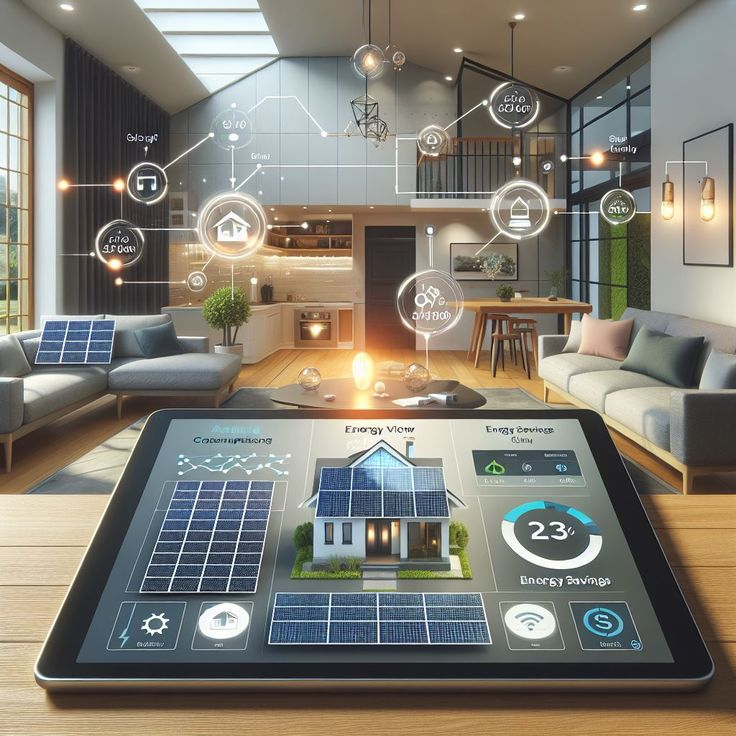
Absolutely. Smart home technology can benefit apartments and small homes just as much as large properties. Even a few smart devices can improve convenience and efficiency.
8. Do smart home systems increase property value?
Many buyers prefer homes with modern technology features. Smart security systems, automated lighting, and energy-efficient devices can improve property value and market appeal.
Expert Tips & Bonus Points
Experts recommend starting simple when building a smart home. Begin with devices that solve everyday problems instead of buying technology only because it looks modern.
Choose reliable brands with strong customer support and regular software updates. High-quality products usually provide better security and long-term performance.
Place smart speakers in central areas of the home for better voice recognition. This improves convenience and system responsiveness.
Investing in a strong Wi-Fi network is also essential. Smart homes depend heavily on internet stability, so upgrading routers can improve performance significantly.
Use automation routines wisely. Too many unnecessary automations can create confusion instead of convenience. Focus on routines that genuinely simplify daily life.
Homeowners should also review privacy settings regularly. Disabling unnecessary data collection helps protect personal information.
Another useful tip is to create backup control options. Manual switches and alternative access methods are important during internet or power outages.
Families with children can use smart home technology to improve safety. Smart locks, cameras, and monitoring systems help parents supervise home activity more effectively.
Energy-saving features should also be used consistently. Scheduling lighting and thermostat adjustments can significantly reduce monthly utility expenses over time.
Finally, remember that AI smart home technology works best when it supports your lifestyle naturally. The goal is not to fill your home with gadgets but to create a more efficient, comfortable, and secure living environment.
Conclusion
AI smart home technology has transformed modern living by making homes more intelligent, efficient, and secure. What once seemed futuristic is now becoming part of everyday life for millions of households worldwide. From voice assistants and automated lighting to advanced security systems and energy-saving devices, smart home technology offers practical solutions for daily challenges.
One of the greatest strengths of AI smart home technology is its ability to learn user habits and automate repetitive tasks. This not only saves time but also improves comfort and convenience. Homeowners can manage devices remotely, monitor security in real time, and reduce energy consumption without constant manual effort.
However, building a smart home requires careful planning. Choosing compatible devices, protecting personal data, maintaining strong cybersecurity, and starting with essential systems are all important steps for success. Beginners should focus on practical improvements instead of rushing into expensive or overly complex setups.
As technology continues to evolve, smart homes will become even more advanced and accessible. Artificial intelligence will likely improve automation, predictive maintenance, healthcare support, and energy management in the future. This means homeowners can expect smarter, safer, and more personalized living experiences in the coming years.
For beginners and intermediate users, now is an excellent time to explore AI smart home technology. By understanding the basics and making informed choices, anyone can create a connected home environment that improves daily life, enhances security, and supports long-term convenience.