
Introduction
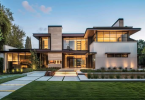
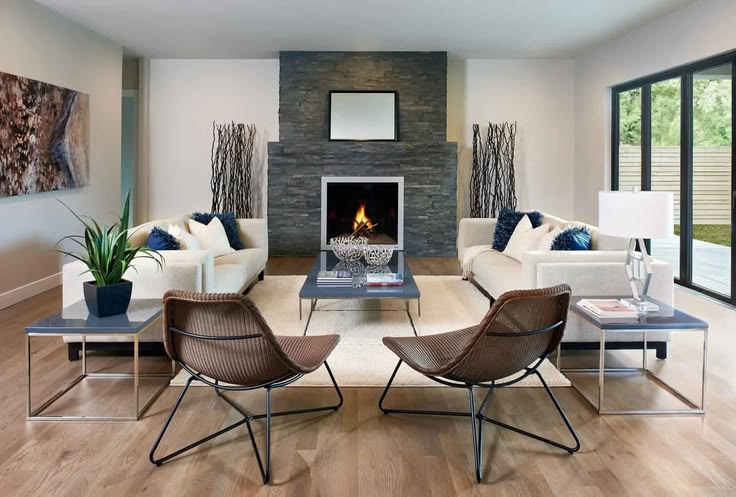
Modern home design ideas have become increasingly popular among homeowners who want stylish, comfortable, and practical living spaces. Today’s homes are not only about appearance but also about functionality, simplicity, and smart use of space. Whether you are building a new house or renovating an old one, modern interior and exterior design concepts can completely transform your environment.
One of the biggest advantages of modern home design ideas is their flexibility. These designs work well in small apartments, large family homes, and even studio spaces. Clean lines, open layouts, natural lighting, and minimal decoration are some of the core features that define modern living spaces. At the same time, homeowners now focus on sustainability, smart technology, and energy-efficient materials.
Modern design does not mean cold or boring. In fact, modern homes can feel warm, inviting, and personal when designed thoughtfully. The right furniture, color palette, lighting, and textures can create a beautiful balance between elegance and comfort.
In this guide, you will learn practical modern home design ideas that suit different budgets and lifestyles. From choosing colors and furniture to improving storage and lighting, this article covers everything beginners and intermediate readers need to know. By the end, you will have a clear understanding of how to create a modern home that looks timeless, organized, and comfortable for daily living.
What Is Modern Home Design Ideas?
Modern home design ideas refer to decorating and organizing living spaces using clean, simple, and functional concepts. These ideas focus on creating homes that feel open, bright, and efficient while maintaining an elegant appearance.
Unlike traditional styles that often use heavy furniture and detailed decoration, modern designs prefer simplicity. Neutral colors, sleek furniture, natural materials, and open spaces are common elements. The goal is to reduce clutter while improving comfort and practicality.
Modern home design ideas can include both interior and exterior features. For example:
- Open floor plans
- Large windows for natural light
- Smart home technology
- Minimal furniture designs
- Neutral or earthy color palettes
- Functional storage solutions
- Eco-friendly materials
Many people confuse modern design with contemporary design. Although they are similar, modern design usually follows a cleaner and more structured style inspired by simplicity and function.
Today, modern homes combine beauty with smart living. They are designed to support daily routines while creating peaceful and organized environments.
Why Is Modern Home Design Important?
Modern home design ideas are important because they improve both the appearance and functionality of a home. A well-designed home supports better living habits and creates a more comfortable atmosphere.
One major reason people prefer modern designs is space efficiency. Modern layouts use every area wisely, making even smaller homes feel spacious and open. This is especially useful in urban areas where living spaces are limited.
Modern designs also improve natural lighting and ventilation. Large windows and open spaces allow sunlight and fresh air to move freely through the home. This can improve mood, reduce energy use, and create a healthier indoor environment.
Another important benefit is organization. Modern homes often include smart storage systems that reduce clutter and improve cleanliness. A clean and organized home can reduce stress and make daily tasks easier.
Modern home design ideas also increase property value. Homes with updated kitchens, stylish bathrooms, and energy-efficient systems often attract more buyers and better resale prices.
Additionally, modern homes support sustainability. Many homeowners now choose energy-saving appliances, recycled materials, and eco-friendly lighting to reduce environmental impact.
Overall, modern design helps create homes that are attractive, practical, and comfortable for modern lifestyles.
Detailed Step-by-Step Guide
Understand Your Lifestyle Needs
Before starting any home design project, think carefully about your lifestyle. Every household has different needs, routines, and preferences.
For example:
- Families may need larger dining and living areas.
- Remote workers may require home office spaces.
- Small apartment owners may prioritize storage solutions.
- Pet owners may need durable materials.
Your home should support your daily activities while maintaining comfort and style.
Choose a Modern Color Palette
Colors play a major role in modern home design ideas. Most modern homes use neutral shades because they create calm and spacious environments.
Popular modern colors include:
- White
- Beige
- Gray
- Soft black
- Earthy brown
- Olive green
You can also add accent colors through cushions, rugs, artwork, or decorative pieces. For example, a gray living room can look more vibrant with navy blue cushions or gold decorations.
Avoid using too many bright colors together because this can make the space feel crowded.
Focus on Open Spaces
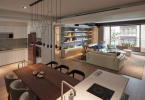
Open floor plans are one of the most recognizable features of modern homes. Instead of separating rooms with many walls, modern layouts connect living, dining, and kitchen areas together.
Benefits of open spaces include:
- Better natural lighting
- Improved movement
- More social interaction
- Larger visual appearance
If removing walls is not possible, use furniture placement or rugs to define different sections within a room.
Invest in Functional Furniture
Modern furniture combines style with practicality. Choose pieces that are comfortable, simple, and useful.
Examples include:
- Storage beds
- Foldable dining tables
- Modular sofas
- Floating shelves
- Multi-purpose coffee tables
Avoid overcrowding rooms with unnecessary furniture. Instead, focus on quality pieces that improve functionality.
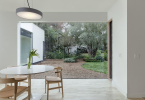
Maximize Natural Light
Natural light is essential in modern home design ideas. Bright homes feel larger, cleaner, and more welcoming.
Ways to improve natural lighting include:
- Installing larger windows
- Using light-colored curtains
- Adding mirrors
- Choosing glossy surfaces
- Keeping windows unobstructed
Skylights are also excellent additions for kitchens and bathrooms.
Add Smart Storage Solutions
Storage is one of the biggest challenges in many homes. Modern design solves this problem through creative storage ideas.
Examples include:
- Under-bed drawers
- Built-in cabinets
- Wall-mounted shelves
- Hidden storage benches
- Vertical storage units
A clutter-free home instantly looks more modern and organized.
Upgrade Your Kitchen Design
The kitchen is often considered the heart of the home. Modern kitchens focus on simplicity, cleanliness, and efficiency.
Important modern kitchen features include:
- Flat-panel cabinets
- Quartz countertops
- Built-in appliances
- Minimal hardware
- Pendant lighting
- Neutral tones
Open shelving can also create a stylish and airy appearance when organized neatly.
Create a Comfortable Living Room
A modern living room should feel relaxing and inviting without looking overcrowded.
Tips for designing a modern living room include:
- Use simple furniture shapes.
- Choose neutral colors with texture variations.
- Add indoor plants for freshness.
- Use layered lighting.
- Keep decorations minimal.
Large rugs can help define seating areas while adding warmth.
Design a Relaxing Bedroom
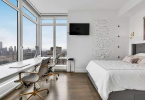
Modern bedrooms focus on comfort, simplicity, and calmness. The goal is to create a peaceful environment that promotes rest.
Key bedroom design ideas include:
- Soft bedding textures
- Neutral wall colors
- Minimal furniture
- Hidden storage
- Warm lighting
Avoid placing too many decorative items in the bedroom because clutter can reduce relaxation.
Improve Bathroom Aesthetics
Modern bathrooms often feel like small spa spaces. Clean lines and organized layouts are essential.
Popular bathroom upgrades include:
- Frameless glass showers
- Floating vanities
- Large mirrors
- Matte fixtures
- Soft lighting
Adding small plants or wooden accents can make the bathroom feel warmer and more natural.
Incorporate Smart Technology
Technology plays a major role in modern homes today. Smart systems improve convenience, comfort, and security.
Examples include:
- Smart lighting
- Voice-controlled devices
- Automated curtains
- Smart thermostats
- Security cameras
These upgrades can also improve energy efficiency and reduce monthly utility costs.
Use Sustainable Materials
Eco-friendly living is becoming more important in modern home design ideas. Sustainable materials help protect the environment while creating healthier living spaces.
Examples include:
- Bamboo flooring
- Recycled wood
- Energy-efficient windows
- LED lighting
- Low-VOC paint
These choices can save money over time while improving indoor air quality.
Enhance Outdoor Spaces
Modern home design is not limited to interiors. Outdoor areas should also feel comfortable and stylish.
Ideas for outdoor upgrades include:
- Wooden decks
- Outdoor seating areas
- Minimal landscaping
- Modern lighting fixtures
- Small water features
Even a tiny balcony can become relaxing with the right furniture and plants.
Benefits of Modern Home Design Ideas
Modern home design ideas offer many advantages for homeowners. Some of the most important benefits include:
- Improved functionality and space usage
- Cleaner and more organized environments
- Better natural lighting and airflow
- Increased property value
- Easier maintenance and cleaning
- Energy-efficient living solutions
- Stylish and timeless appearance
- Flexible layouts for changing lifestyles
- Reduced clutter and stress
- Comfortable and welcoming spaces
These benefits make modern homes suitable for families, professionals, students, and retirees alike.
Disadvantages / Risks
Although modern home design ideas are highly attractive, there are some disadvantages and challenges to consider.
- Initial renovation costs can be high
- Minimal designs may feel too simple for some people
- Open spaces can reduce privacy
- Smart technology systems may require maintenance
- Trend-based designs can become outdated
- Poor planning may create cold or empty-looking rooms
- Large windows may increase cleaning requirements
- Some modern materials can be expensive
Understanding these risks helps homeowners make smarter design decisions.
Common Mistakes to Avoid
Many people make design mistakes that reduce the beauty and functionality of modern homes. Avoiding these issues can save time and money.
One common mistake is overcrowding rooms with furniture. Modern spaces should feel open and breathable. Too many decorative items can make the room appear smaller and disorganized.
Another mistake is ignoring lighting. Some homeowners focus only on furniture and forget the importance of layered lighting. Combining natural light, ceiling lights, table lamps, and accent lighting creates balance and warmth.
Choosing style over comfort is also a problem. Beautiful furniture is important, but it should also support daily living. Uncomfortable sofas or impractical tables may look stylish but reduce usability.
Many people also ignore storage planning. Without proper storage, clutter quickly builds up and ruins the modern appearance of a home.
Using too many colors is another issue. Modern design usually works best with controlled color palettes. Too many bold shades can create visual chaos.
Finally, some homeowners follow trends blindly without considering their lifestyle. Your home should reflect your personal needs and habits rather than temporary internet trends.
FAQs
What colors work best for modern home design ideas?
Neutral colors such as white, gray, beige, and soft black are commonly used in modern homes. These shades create calm and spacious environments. Accent colors can be added through accessories and artwork.
Are modern home designs suitable for small houses?
Yes, modern home design ideas work very well in small homes. Open layouts, smart storage, and minimal furniture help maximize available space while maintaining comfort and style.
How can I make my home look modern on a budget?
You can start with simple upgrades such as repainting walls, changing lighting fixtures, decluttering rooms, and adding modern furniture pieces. Small changes can create significant improvements without large expenses.
What flooring is best for modern homes?
Popular flooring options include hardwood, laminate, polished concrete, and large-format tiles. These materials provide clean and elegant appearances while remaining durable and easy to maintain.
Is modern home design only about minimalism?
No, modern design is not only about minimalism. While simplicity is important, modern homes can still include warmth, textures, colors, and personal decorative touches that create inviting environments.
How important is lighting in modern homes?
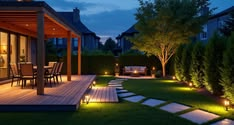
Lighting is extremely important because it affects mood, comfort, and visual appeal. Good lighting can make rooms appear larger, cleaner, and more welcoming while highlighting important design features.
Can traditional and modern styles be mixed together?
Yes, many homeowners successfully combine traditional and modern elements. For example, a modern room can include vintage furniture or classic wooden accents for added character and balance.
Expert Tips & Bonus Points
Design experts often recommend focusing on quality rather than quantity. Instead of filling rooms with many decorations, choose a few meaningful and stylish pieces.
Use texture to add warmth and personality. Combining materials such as wood, glass, linen, and metal can make modern spaces feel more inviting and balanced.
Indoor plants are another excellent addition. Plants improve air quality while adding freshness and natural beauty to modern interiors.
When selecting furniture, always measure your room first. Oversized furniture can make even large spaces feel crowded and uncomfortable.
Layered lighting creates depth and flexibility. Combining ceiling lights, wall lights, and floor lamps allows you to adjust the atmosphere for different activities.
Mirrors are also powerful design tools. They reflect light and make rooms appear larger. Placing mirrors opposite windows can significantly brighten interiors.
Personal touches are important as well. Family photos, artwork, travel souvenirs, and handmade decorations help transform modern homes into personal living spaces.
Finally, focus on long-term comfort instead of temporary trends. Timeless designs remain attractive for many years and reduce the need for constant updates.
Conclusion
Modern home design ideas continue to shape the way people create comfortable and stylish living environments. These designs focus on simplicity, functionality, organization, and elegance while supporting modern lifestyles. Whether you live in a small apartment or a large family house, modern concepts can improve both the appearance and practicality of your space.
One of the greatest strengths of modern design is flexibility. Homeowners can adapt these ideas according to their budget, personal taste, and daily needs. Open layouts, neutral colors, smart storage, natural lighting, and sustainable materials all contribute to healthier and more comfortable living spaces.
At the same time, modern homes are not just about beauty. They also support efficiency, relaxation, and better organization. A thoughtfully designed home can improve mood, reduce stress, and create a more enjoyable daily routine.
However, successful modern design requires balance. It is important to combine style with comfort while avoiding clutter and unnecessary decoration. Personal touches, quality furniture, and practical layouts help create spaces that feel warm and welcoming rather than cold or empty.
By following the ideas and strategies discussed in this guide, anyone can begin transforming their home into a modern, functional, and visually appealing environment. Even small changes can make a noticeable difference when planned carefully and thoughtfully.