
Introduction
Minimalist room decor has become one of the most popular interior design styles in recent years. People are now choosing clean spaces, simple furniture, and peaceful surroundings instead of crowded rooms filled with unnecessary items. A minimalist room does not look empty or boring. Instead, it feels calm, modern, and welcoming.
The idea behind minimalist room decor is simple. Every item in the room should have a clear purpose or meaningful value. This design style focuses on comfort, organization, natural light, and balanced decoration. Whether you live in a small apartment or a large house, a minimalist room can make your home feel more spacious and relaxing.
Many beginners believe minimalist decorating is expensive or difficult. However, the truth is very different. You do not need luxury furniture or costly decorations to achieve a beautiful minimalist space. With smart planning, neutral colors, and thoughtful organization, anyone can create a modern room with a clean appearance.
Minimalist room decor is also practical for daily life. It helps reduce stress, improves focus, and makes cleaning easier. Students, working professionals, and families all benefit from a less cluttered environment.
In this guide, you will learn everything about minimalist room decor, including its importance, decorating methods, common mistakes, expert tips, and frequently asked questions. By the end, you will have the confidence to design a room that feels stylish, comfortable, and peaceful.
What is Minimalist Room Decor?
Minimalist room decor is an interior design style that focuses on simplicity, functionality, and clean aesthetics. The main goal is to create a space that feels open, organized, and calm without adding too many decorations or unnecessary items.
This style usually includes neutral colors, simple furniture, natural materials, and limited decorative pieces. Instead of filling every corner with furniture or accessories, minimalist design uses open space as part of the overall look.
A minimalist room often includes:
- Neutral color palettes such as white, beige, gray, or soft earth tones
- Simple and functional furniture
- Organized storage solutions
- Limited wall decorations
- Natural lighting
- Clean lines and balanced layouts
Minimalist room decor is inspired by the idea that less is more. Every item should contribute to the beauty or usefulness of the room. This approach creates a peaceful environment that feels modern and elegant.
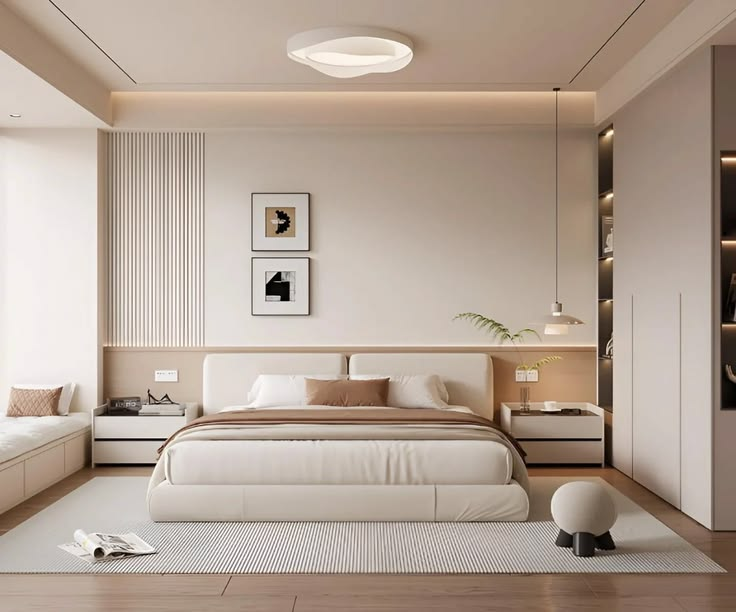
For example, a minimalist bedroom may include a simple bed frame, soft bedding, one nightstand, a floor lamp, and a small plant. Instead of overcrowding the room with decorations, the focus remains on comfort and simplicity.
Why is Minimalist Room Decor Important?
Minimalist room decor is important because it improves both the appearance and functionality of a living space. A clean and organized room can positively affect your mood, productivity, and daily routine.
One major advantage of minimalist design is reduced stress. Cluttered spaces often make people feel overwhelmed or distracted. A minimalist room creates a calm atmosphere that encourages relaxation and focus.
Another reason minimalist room decor matters is practicality. With fewer unnecessary items, cleaning and organizing become easier. You spend less time managing clutter and more time enjoying your space.
Minimalist interiors also make small rooms appear larger. Smart furniture placement, natural lighting, and simple color palettes help create an open and airy feeling.
This design style also supports mindful living. Instead of buying excessive decorations or furniture, people focus on quality over quantity. This leads to smarter spending and more intentional home design decisions.
Minimalist room decor is also timeless. Unlike trends that quickly become outdated, minimalist interiors maintain a modern and elegant appearance for many years.
Detailed Step-by-Step Guide
Step 1: Remove Unnecessary Clutter
The first step in creating minimalist room decor is decluttering the space. Remove items that are damaged, unused, or no longer meaningful.
Start with one area at a time. For example, organize your desk, closet, or shelves before moving to another section of the room.
Ask yourself these questions:
- Do I use this item regularly?
- Does this item add value to the room?
- Can I live comfortably without it?
Donate, recycle, or store items that no longer serve a purpose.
Step 2: Choose a Neutral Color Palette
Color plays a major role in minimalist room decor. Neutral shades create a clean and calming atmosphere.
Popular minimalist colors include:
- White
- Beige
- Gray
- Soft brown
- Cream
- Light olive
These tones reflect natural light and make rooms feel more spacious. You can also add small accents of black, dark green, or navy blue for contrast.
Avoid using too many bright colors in one room because they may create visual clutter.
Step 3: Invest in Functional Furniture
Minimalist furniture should be simple, comfortable, and practical. Choose pieces with clean lines and smooth surfaces.
Examples of functional minimalist furniture include:
- Beds with built-in storage
- Floating shelves
- Simple sofas
- Compact desks
- Foldable tables
Avoid oversized furniture that makes the room feel crowded.
Step 4: Maximize Natural Light
Natural light is an important part of minimalist room decor. Bright spaces feel healthier, cleaner, and more inviting.
Use light curtains or sheer fabrics to allow sunlight into the room. Keep windows clean and avoid blocking them with heavy furniture.
If natural light is limited, use warm white lighting to create a soft and relaxing atmosphere.
Step 5: Use Simple Decorations
Minimalist rooms still need decoration, but the key is moderation.
Choose a few decorative items that complement the room, such as:
- Framed artwork
- Indoor plants
- Textured cushions
- Ceramic vases
- Simple rugs
Instead of displaying many decorations together, focus on a few high-quality pieces.
Step 6: Add Texture for Warmth
A common mistake in minimalist design is creating a room that feels cold or empty. Texture helps add warmth and personality.
Use materials like:
- Cotton
- Linen
- Wood
- Wool
- Stone
- Leather
For example, a wooden coffee table paired with soft linen curtains can create a cozy and balanced appearance.
Step 7: Keep Storage Organized
Organization is essential in minimalist room decor. Hidden storage solutions help maintain a clean appearance.
Use storage options like:
- Under-bed boxes
- Decorative baskets
- Storage ottomans
- Drawer organizers
- Wall-mounted shelves
Avoid leaving unnecessary items visible on tables or floors.
Step 8: Create Open Space
Open space is a major feature of minimalist interiors. Do not feel pressured to fill every corner of the room.
Allow enough walking space between furniture pieces. Empty areas help the room feel larger and more peaceful.
Step 9: Include Natural Elements
Natural elements make minimalist rooms feel fresh and inviting.
Popular choices include:
- Indoor plants
- Wooden furniture
- Stone accessories
- Bamboo decorations
Plants like snake plants, pothos, and peace lilies work well in minimalist interiors because they are easy to maintain.
Step 10: Maintain the Space Regularly
Minimalist room decor requires regular maintenance. Clean surfaces, organize belongings, and remove unnecessary items frequently.
Develop simple habits such as returning items to their proper places and avoiding impulse purchases.
Benefits of Minimalist Room Decor
Minimalist room decor offers many advantages for homeowners and renters.
- Creates a peaceful and relaxing atmosphere
- Makes small spaces look larger
- Reduces stress and distractions
- Simplifies cleaning and maintenance
- Encourages better organization
- Supports mindful spending habits
- Improves natural lighting in the room
- Creates a modern and timeless appearance
- Increases functionality and comfort
- Helps improve focus and productivity
For example, students often perform better in organized environments because clean spaces reduce distractions and improve concentration.
Disadvantages / Risks
Although minimalist room decor has many benefits, there are also a few disadvantages to consider.
- Some people may find minimalist spaces too simple or plain
- Quality minimalist furniture can sometimes be expensive
- Maintaining organization requires discipline
- Rooms may feel cold without proper textures or decorations
- Limited storage can become challenging for large families
- Overdecorating can easily ruin the minimalist look
- Constant decluttering may feel stressful for some individuals
However, most of these challenges can be solved through balanced decorating and smart planning.
Common Mistakes to Avoid
Many beginners make simple mistakes when trying minimalist room decor for the first time. Avoiding these errors can help you create a more balanced and attractive space.
Buying Too Much Furniture
Minimalist design does not require many furniture pieces. Overcrowding the room reduces openness and comfort.
Ignoring Comfort
Some people focus only on appearance and forget comfort. Your room should feel relaxing and practical, not uncomfortable.
Using Too Many Colors
Bright or excessive colors can disrupt the calm feeling of a minimalist room. Stick to a consistent color palette.
Forgetting Storage Solutions
Without proper storage, clutter quickly returns. Use smart storage options to maintain organization.
Creating an Empty Room
Minimalist rooms should feel intentional, not unfinished. Add textures, lighting, and meaningful decorations for balance.
Following Trends Blindly
Choose designs that fit your lifestyle instead of copying every social media trend.
Neglecting Lighting
Poor lighting can make even a clean room feel dull. Use natural light and warm lamps to create a welcoming atmosphere.
FAQs
What colors work best for minimalist room decor?
Neutral shades such as white, beige, gray, cream, and soft brown are the most popular choices. These colors create a calm and spacious appearance.
Can minimalist room decor work in small apartments?
Yes, minimalist room decor works extremely well in small spaces. Simple furniture and organized layouts make apartments feel larger and more functional.
Is minimalist design expensive?
Minimalist design does not have to be expensive. Many people save money by buying fewer but higher-quality items and avoiding unnecessary decorations.
How do I make a minimalist room feel cozy?
Add soft textures, warm lighting, comfortable fabrics, and indoor plants. These elements create warmth without making the room look cluttered.
Are plants important in minimalist interiors?
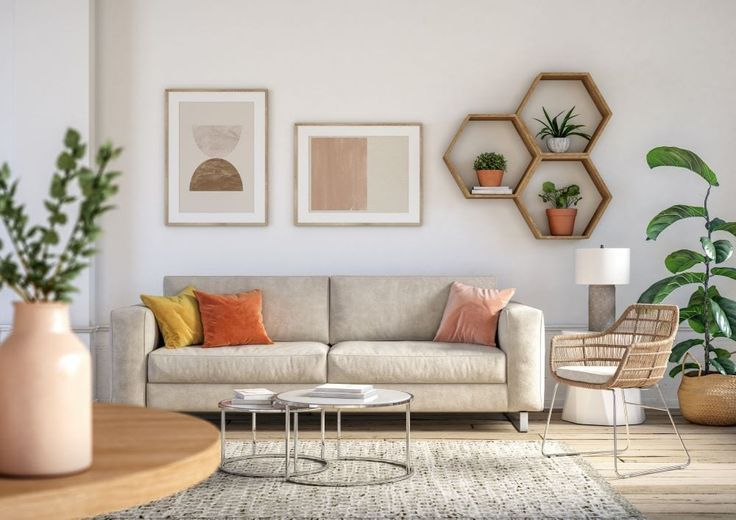
Plants are not mandatory, but they add freshness, color, and natural beauty. Simple indoor plants often enhance minimalist spaces.
How often should I declutter my room?
It is helpful to declutter regularly. A quick weekly organization routine can prevent unnecessary clutter from building up.
Can I mix minimalist decor with other styles?
Yes, minimalist decor works well with Scandinavian, modern, industrial, and bohemian styles when combined carefully.
What type of furniture is best for minimalist rooms?
Furniture with clean lines, hidden storage, and simple designs works best. Choose practical pieces that support comfort and functionality.
Expert Tips & Bonus Points
Professional interior designers often use simple strategies to make minimalist rooms feel elegant and inviting.
Focus on Quality Over Quantity
Instead of purchasing many decorations, invest in a few durable and stylish items that will last longer.
Use Mirrors Strategically
Mirrors reflect light and make rooms appear larger. Place mirrors near windows to increase brightness.
Keep Surfaces Clear
Avoid covering tables and shelves with too many objects. Clear surfaces instantly make a room feel cleaner.
Layer Different Textures
Mix fabrics and materials for a balanced appearance. For example, pair soft cushions with wooden furniture and woven rugs.
Choose Multi-Purpose Furniture
Furniture with storage or multiple uses helps save space and improve organization.
Add Personal Touches Carefully
Minimalist rooms should still reflect your personality. Display a few meaningful photos, books, or souvenirs without overcrowding the room.
Maintain Daily Habits
Simple habits like making the bed, folding blankets, and organizing items every day help maintain a minimalist environment.
Use Symmetry in Layouts
Balanced furniture placement creates harmony and improves the visual flow of the room.
Prioritize Comfort
A minimalist room should feel peaceful and comfortable. Do not sacrifice comfort for appearance.
Start Small
If you are new to minimalist room decor, begin with one room before redesigning the entire home.
Conclusion
Minimalist room decor is more than just a design trend. It is a practical and thoughtful approach to creating calm, organized, and beautiful living spaces. By focusing on simplicity, functionality, and intentional decoration, anyone can transform an ordinary room into a peaceful environment.
The best part about minimalist design is its flexibility. You do not need expensive furniture or a large house to create a stylish minimalist room. Small changes such as removing clutter, using neutral colors, improving lighting, and choosing practical furniture can make a significant difference.
Minimalist room decor also supports a healthier lifestyle. Clean and organized spaces often reduce stress, improve concentration, and encourage better daily habits. Whether you are decorating a bedroom, office, or living room, minimalist principles can help create a more comfortable and balanced atmosphere.
Remember that minimalism does not mean removing everything from your room. The goal is to keep only the items that add value, comfort, or beauty to your space. A successful minimalist room should feel warm, functional, and welcoming.
As you begin your minimalist decorating journey, focus on gradual improvements instead of perfection. Experiment with layouts, textures, and lighting until you create a room that truly reflects your personality and lifestyle. With patience and smart planning, minimalist room decor can transform your home into a relaxing and timeless space.