
Introduction
Your living room is more than just a place to sit and relax. It is the heart of your home where families gather, guests are welcomed, and everyday memories are created. Because of this, many homeowners search for fresh living room decor inspiration to make their space feel warm, stylish, and comfortable. Whether you live in a small apartment or a large house, decorating your living room properly can completely transform the atmosphere of your home.
Finding the right living room decor inspiration may seem difficult at first. There are countless styles, color schemes, furniture options, and design trends available today. Some people prefer modern interiors with clean lines, while others enjoy rustic spaces with natural textures and cozy details. The good news is that creating a beautiful living room does not always require a huge budget or professional designer.
A well-decorated living room should reflect your personality while also remaining practical for daily life. The best designs combine comfort, function, and visual appeal in a balanced way. From selecting the perfect sofa to adding decorative lighting and wall art, every small detail matters.
This guide will help beginners and intermediate homeowners understand the fundamentals of living room styling. You will discover creative ideas, expert decorating strategies, common mistakes to avoid, and practical tips that make decorating easier. By the end of this article, you will have plenty of living room decor inspiration to create a welcoming and impressive space you truly enjoy.
What is Living Room Decor Inspiration?
Living room decor inspiration refers to ideas, themes, styles, and creative concepts used to improve the appearance and functionality of a living room. It helps homeowners design a space that feels visually appealing, comfortable, and practical for everyday use.
Decor inspiration can come from many sources, including:
- Interior design magazines
- Social media platforms
- Home decor websites
- Furniture stores
- Nature and travel experiences
- Personal preferences and lifestyle
The goal of living room decor inspiration is not simply copying another design. Instead, it involves adapting ideas to fit your own space, needs, and personality.
For example, someone who loves simplicity may choose a minimalist design with neutral colors and clean furniture. Another person may prefer a traditional living room with elegant curtains, decorative rugs, and wooden furniture.
Living room decor inspiration usually includes several important elements:
- Furniture arrangement
- Color combinations
- Lighting choices
- Decorative accessories
- Wall decoration
- Storage solutions
- Textures and fabrics
When these elements work together properly, the result is a balanced and inviting living room that feels both stylish and functional.
Why is Living Room Decor Inspiration Important?
Decorating your living room thoughtfully offers many advantages beyond appearance alone. A beautiful living room can positively affect mood, comfort, and even productivity.
Here are some important reasons why living room decor inspiration matters.
Creates a Comfortable Environment
A well-designed living room feels cozy and relaxing. Comfortable seating, proper lighting, and balanced colors help create a peaceful atmosphere where people enjoy spending time.
Reflects Your Personality
Your living room often gives visitors their first impression of your home. Decor choices allow you to express your taste, lifestyle, and creativity in a natural way.
Improves Functionality
Good design improves how the space works. Smart furniture placement and storage solutions make daily activities easier and more organized.
Enhances Home Value
Attractive interiors can increase the overall appeal and value of a property. Potential buyers are often drawn to homes with stylish and functional living spaces.
Reduces Stress
Clean, organized, and visually pleasing environments can help reduce stress and create a more positive emotional experience at home.
Encourages Social Interaction
A welcoming living room encourages conversations, family gatherings, and quality time with guests.
Because of these benefits, investing time into finding living room decor inspiration can greatly improve both your home and daily life.
Detailed Step-by-Step Guide
Step 1: Understand Your Living Room Space
Before buying furniture or decorations, carefully analyze your room.
Consider these questions:
- How large is the room?
- How much natural light enters the space?
- What activities happen in the room?
- Is the room mainly for guests, relaxation, or entertainment?
Taking measurements is essential. Knowing the exact dimensions helps prevent purchasing furniture that is too large or too small.
For example, a compact apartment living room may benefit from multifunctional furniture and lighter colors. A larger room can handle darker shades and oversized seating arrangements.
Step 2: Choose a Design Style
One of the most important parts of living room decor inspiration is selecting a design style.
Popular living room styles include:
Modern Style
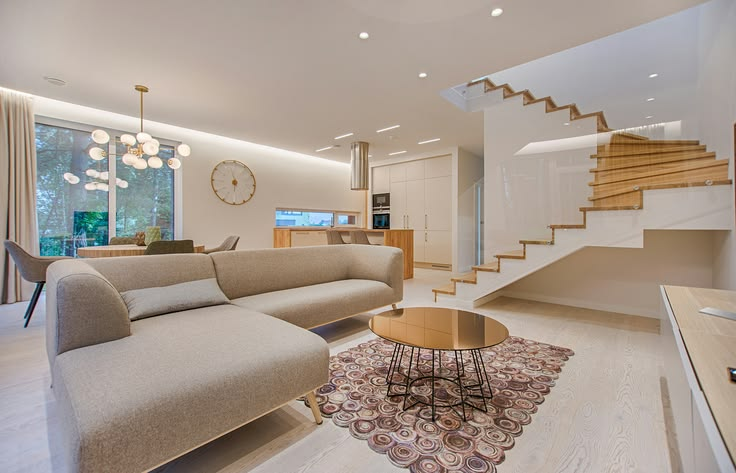
Modern living rooms focus on simplicity, neutral colors, and sleek furniture. Clean lines and uncluttered layouts define this style.
Minimalist Style
Minimalist interiors use fewer decorations while emphasizing space and functionality. White, beige, and gray colors are common.
Rustic Style
Rustic living rooms include natural wood, warm textures, and earthy tones. This style creates a cozy and welcoming environment.
Traditional Style
Traditional decor often features elegant furniture, classic patterns, and rich color schemes.
Scandinavian Style
Scandinavian design combines simplicity, comfort, and functionality. Soft lighting and natural materials are key features.
Choose a style that fits your personality and daily lifestyle.
Step 3: Select the Right Color Palette
Color has a major influence on the mood of a room.
Neutral colors such as white, cream, beige, and gray create a calm and timeless appearance. Bold colors like navy blue, emerald green, or mustard yellow add personality and depth.
A simple decorating rule is the 60-30-10 method:
- 60% dominant color
- 30% secondary color
- 10% accent color
For example:
- Beige walls
- Brown furniture
- Gold decorative accessories
This creates balance without overwhelming the room.
Step 4: Invest in Comfortable Furniture
Furniture is the foundation of every living room.
Essential furniture pieces may include:
- Sofa
- Coffee table
- Accent chairs
- TV unit
- Side tables
- Storage cabinets
When selecting furniture, focus on both comfort and appearance.
Large sectional sofas work well in spacious rooms, while compact loveseats are better for smaller apartments.
Choose durable materials that are easy to maintain, especially if you have children or pets.
Step 5: Arrange Furniture Properly
Even beautiful furniture can look awkward if arranged incorrectly.
Here are some helpful furniture arrangement tips:
- Keep walkways open
- Avoid blocking windows
- Create a conversation-friendly layout
- Position the main seating around a focal point
A focal point could be:
- Television
- Fireplace
- Large window
- Decorative wall art
Balanced furniture placement improves both comfort and visual appeal.
Step 6: Add Lighting Layers
Lighting plays a major role in living room decor inspiration.
A combination of lighting types creates warmth and depth.
Ambient Lighting
This is the main source of light, such as ceiling fixtures.
Task Lighting
Task lighting includes reading lamps and desk lamps.
Accent Lighting
Accent lights highlight decorative features like artwork or shelves.
Natural light is equally important. Use curtains that allow sunlight to enter while still providing privacy.
Step 7: Decorate the Walls
Empty walls can make a room feel incomplete.
Popular wall decoration ideas include:
- Framed artwork
- Floating shelves
- Mirrors
- Wallpaper
- Decorative panels
- Family photographs
Mirrors are especially useful in smaller living rooms because they reflect light and make spaces appear larger.
Step 8: Include Rugs and Textures
Textures add warmth and visual interest to a room.
You can introduce textures through:
- Rugs
- Curtains
- Throw blankets
- Cushions
- Upholstered furniture
For example, pairing a soft rug with leather seating creates a balanced and cozy environment.
Choose rug sizes carefully. A rug that is too small may make the room feel disconnected.
Step 9: Add Decorative Accessories
Accessories help personalize your living room.
Popular decor accessories include:
- Indoor plants
- Candles
- Decorative trays
- Vases
- Books
- Sculptures
However, avoid overcrowding surfaces. Too many decorations can create visual clutter.
A few carefully selected pieces usually look more elegant than excessive decorations.
Step 10: Keep the Space Organized
Organization is essential for maintaining a stylish living room.
Consider smart storage solutions such as:
- Storage ottomans
- Built-in shelves
- Decorative baskets
- Hidden cabinets
Keeping clutter under control helps the room feel more spacious and relaxing.
Benefits of Living Room Decor Inspiration
Decorating your living room thoughtfully offers several valuable advantages.
- Creates a welcoming atmosphere for guests
- Improves comfort and relaxation
- Enhances the beauty of your home
- Reflects personal style and creativity
- Increases home value and appeal
- Makes small spaces feel larger
- Encourages better organization
- Supports positive mental well-being
- Improves lighting and room functionality
- Helps maximize available space efficiently
Even simple updates can make a major difference in the overall feel of a living room.
Disadvantages / Risks
Although decorating can be exciting, there are also some challenges and risks involved.
- Overspending on unnecessary decorations
- Following trends that become outdated quickly
- Choosing furniture that does not fit the space
- Overcrowding the room with accessories
- Ignoring comfort in favor of appearance
- Mixing too many styles together
- Poor lighting choices affecting atmosphere
- Selecting difficult-to-clean materials
- Using colors that make the room feel smaller
- Lack of storage leading to clutter
Planning carefully can help avoid these common decorating problems.
Common Mistakes to Avoid
Many homeowners make decorating mistakes that reduce the overall beauty and comfort of their living room.
Buying Furniture Before Planning
Some people purchase furniture without measuring their room first. This often results in overcrowded spaces and awkward layouts.
Always measure your space before shopping.
Ignoring Lighting
Lighting affects how colors, furniture, and textures appear. Poor lighting can make even beautiful rooms feel dull.
Use multiple light sources for better balance.
Using Too Many Colors
Too many strong colors can make a room feel chaotic.
Stick to a consistent color palette for a cleaner appearance.
Choosing Style Over Comfort
A stylish sofa may look attractive but feel uncomfortable.
Always prioritize comfort for frequently used furniture pieces.
Hanging Artwork Too High
Wall art should generally be placed at eye level. Hanging pieces too high can disrupt room balance.
Overdecorating
Too many accessories create clutter and reduce elegance.
Leave some empty space for a cleaner and more breathable design.
Forgetting Functionality
A living room should support daily life activities.
For example, families with children may need durable fabrics and extra storage options.
FAQs
1. How can I decorate a small living room effectively?
Use light colors, mirrors, and multifunctional furniture to maximize space. Avoid oversized furniture and keep decorations minimal for a more open appearance.
2. What colors work best for living rooms?
Neutral shades like beige, white, gray, and cream are versatile and timeless. Accent colors such as blue, green, or gold can add personality.
3. How often should I update my living room decor?
Minor updates can be done seasonally, while major redesigns are usually needed every few years depending on style preferences and furniture condition.
4. Are indoor plants good for living room decoration?
Yes. Indoor plants improve freshness, add natural beauty, and create a relaxing environment. Popular choices include snake plants, pothos, and peace lilies.
5. What is the best lighting for a living room?
A layered lighting approach works best. Combine ceiling lights, floor lamps, table lamps, and natural sunlight for a balanced atmosphere.
6. How do I choose the right sofa size?
Measure your room carefully and leave enough walking space around furniture. Large rooms can accommodate sectional sofas, while small rooms need compact seating.
7. Can I mix modern and traditional decor styles?
Yes. Mixing styles can create a unique and personalized look when done carefully. Focus on maintaining color harmony and balanced proportions.
8. What are affordable ways to improve living room decor?
You can repaint walls, rearrange furniture, add cushions, update lighting, use decorative mirrors, or introduce indoor plants without spending too much money.
Expert Tips & Bonus Points
Professional decorators often use simple techniques that greatly improve living room appearance.
Focus on a Focal Point
Every living room should have a clear focal point such as:
- Fireplace
- Television
- Artwork
- Large window
Arrange furniture around this area for better visual balance.
Use Mirrors Strategically
Mirrors reflect light and create the illusion of a larger room. Place them opposite windows whenever possible.
Combine Different Textures
Mixing materials like wood, leather, glass, cotton, and metal adds depth and sophistication.
Add Personal Touches
Display meaningful items such as travel souvenirs, books, or family photographs to make the room feel unique.
Use the Rule of Three
Decorators often group accessories in sets of three because odd-number arrangements look visually balanced.
Rotate Seasonal Decor
Changing cushions, curtains, or decorative accessories seasonally keeps your living room fresh and interesting.
Prioritize Quality Over Quantity
Instead of buying many cheap decorations, invest in a few durable and stylish pieces that last longer.
Keep Traffic Flow Clear
Furniture should never block pathways. Easy movement improves comfort and functionality.
Layer Neutral Colors
Neutral tones do not have to feel boring. Layering multiple shades creates warmth and elegance.
Add Natural Elements
Wood, plants, stone, and woven materials help create a more relaxing and welcoming environment.
Conclusion
Creating a stylish and comfortable living room does not require expensive furniture or complicated designs. With the right living room decor inspiration, anyone can transform an ordinary space into a beautiful and functional area that reflects personal style and supports everyday living. The key is understanding how different design elements work together to create balance, comfort, and visual appeal.
From choosing the perfect color palette to arranging furniture correctly, every decorating decision plays an important role in shaping the atmosphere of your living room. Thoughtful lighting, carefully selected accessories, and smart organization solutions can significantly improve both appearance and practicality. Even small updates like adding plants, changing cushions, or introducing decorative mirrors can refresh a room instantly.
It is also important to avoid common decorating mistakes such as overcrowding the space, ignoring functionality, or following trends without considering personal needs. A successful living room design should feel welcoming, organized, and comfortable for both homeowners and guests.
Whether you prefer modern simplicity, rustic warmth, or traditional elegance, the best living room decor inspiration comes from combining creativity with functionality. Focus on building a space that suits your lifestyle while maintaining harmony in colors, textures, and furniture placement.
By applying the ideas and strategies shared in this guide, you can confidently design a living room that feels beautiful, practical, and timeless for years to come.