
Introduction
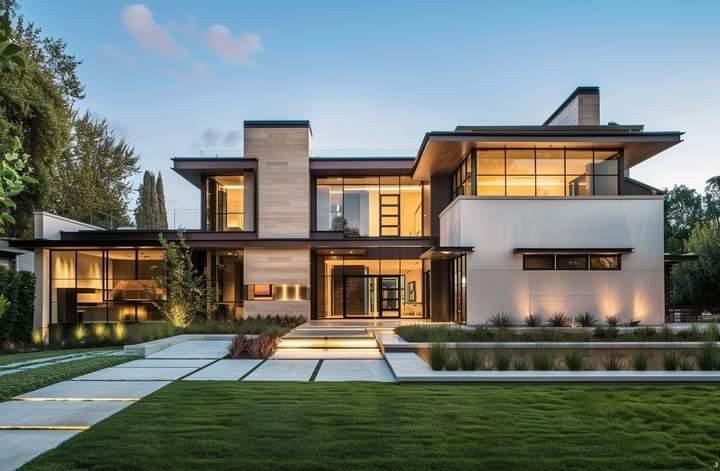
Contemporary house plans have become one of the most popular choices for homeowners who want a clean, stylish, and functional living space. These homes focus on simplicity, open layouts, natural light, and smart use of space. Unlike traditional homes that follow older architectural styles, contemporary house plans are designed around modern lifestyles and changing family needs.
Today, many people prefer homes that feel open, comfortable, and connected to the outdoors. Contemporary house plans offer exactly that. Large windows, minimalist interiors, energy-efficient materials, and flexible living spaces make these homes highly attractive for beginners and experienced homeowners alike. Whether you are planning to build a small single-story home or a luxurious multi-level residence, contemporary designs can fit almost every budget and lifestyle.
Another reason contemporary house plans are growing in popularity is their ability to blend beauty with practicality. These homes are visually impressive while still being comfortable for daily life. Modern families often need multi-purpose rooms, home offices, outdoor entertainment spaces, and efficient storage solutions. Contemporary designs address all these needs in creative ways.
In this guide, you will learn everything about contemporary house plans, including their features, importance, benefits, common mistakes, expert tips, and practical ideas to help you create the perfect modern home. If you are considering building or renovating a house, this detailed article will help you make informed decisions with confidence.
What is Contemporary House Plans?
Contemporary house plans refer to modern home designs that reflect current architectural trends and lifestyle preferences. These plans focus on clean lines, simple shapes, open floor plans, and strong connections between indoor and outdoor spaces.
Unlike traditional architecture, contemporary design is always evolving. It changes over time to match modern technology, environmental concerns, and homeowner preferences. Contemporary homes are not limited to one fixed style. Instead, they combine different modern elements to create functional and attractive living spaces.
Some key characteristics of contemporary house plans include:
- Open-concept living areas
- Large windows and natural lighting
- Flat or low-pitched roofs
- Minimal decorative details
- Neutral color palettes
- Sustainable building materials
- Smart home technology integration
- Flexible room arrangements
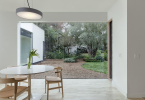
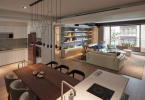
For example, a contemporary home may feature a spacious kitchen connected to the dining and living area without walls separating them. This creates a more social and welcoming environment.
Another important feature is the use of natural materials such as wood, stone, concrete, and glass. These materials help create a balance between modern design and natural beauty.
Contemporary house plans can range from compact urban homes to large countryside residences. Their flexibility allows homeowners to customize layouts according to their personal needs and preferences.
Why is Contemporary House Plans Important?
Contemporary house plans are important because they match the way people live today. Modern families value convenience, efficiency, comfort, and flexibility. Contemporary homes are designed to support these priorities.
One major advantage is efficient use of space. Older homes often contain separate rooms with limited functionality. Contemporary layouts eliminate unnecessary walls and create larger, more practical spaces.
Energy efficiency is another reason contemporary house plans matter. Modern homes often include:
- Energy-saving windows
- Solar panels
- Smart lighting systems
- Better insulation
- Sustainable construction materials
These features reduce energy costs while supporting environmentally friendly living.
Contemporary homes also improve natural lighting and ventilation. Large windows allow sunlight to enter freely, making interiors feel brighter and healthier. Better airflow can improve indoor comfort and reduce dependence on artificial cooling systems.
Additionally, contemporary house plans increase property value. Buyers often prefer modern homes with updated designs and energy-efficient features. A well-designed contemporary home can attract more interest in the real estate market.
Another important factor is adaptability. Families grow and change over time. Contemporary layouts often include flexible rooms that can be converted into offices, guest rooms, playrooms, or gyms when needed.
In today’s fast-moving world, homeowners want spaces that support relaxation, productivity, and social interaction. Contemporary house plans successfully combine all these elements into one modern living experience.
Detailed Step-by-Step Guide
Understanding Your Lifestyle Needs
Before selecting a contemporary house plan, think carefully about your daily lifestyle.
Ask yourself these questions:
- How many bedrooms do you need?
- Do you work from home?
- Do you entertain guests often?
- Do you prefer indoor or outdoor living?
- Will your family grow in the future?
Your answers will help determine the ideal layout and room arrangement for your home.
For example, families with children may need larger common spaces, while couples may prioritize luxury features and private relaxation areas.
Choosing the Right Floor Plan
The floor plan is the foundation of every contemporary home. Open-concept designs are highly popular because they create a spacious atmosphere.
Common contemporary layouts include:
- Open kitchen and living area
- Split-bedroom designs
- Multi-functional rooms
- Indoor-outdoor transitions
- Minimal hallway space
A good floor plan should maximize comfort while maintaining smooth movement throughout the house.
Selecting Exterior Design Features
The exterior appearance of contemporary house plans is simple yet visually striking.
Popular exterior features include:
- Flat roofs
- Large glass panels
- Mixed textures
- Geometric shapes
- Neutral exterior colors
Combining wood, concrete, steel, and glass creates a balanced modern appearance.
Landscaping also plays an important role. Minimalist gardens, stone pathways, and outdoor seating areas complement contemporary architecture beautifully.
Maximizing Natural Light
Natural light is one of the defining elements of contemporary homes.
Ways to improve natural lighting include:
- Installing floor-to-ceiling windows
- Adding skylights
- Using glass doors
- Choosing lighter interior colors
Bright interiors create a more welcoming and comfortable atmosphere while reducing electricity usage during the day.
Focusing on Energy Efficiency
Modern homeowners increasingly prioritize sustainability.
Energy-efficient contemporary house plans may include:
- Solar energy systems
- Smart thermostats
- LED lighting
- Insulated walls
- Energy-efficient appliances
These upgrades can lower utility bills and reduce environmental impact over time.
Designing Functional Kitchens
The kitchen is often considered the heart of a contemporary home.
Modern kitchens usually feature:
- Large islands
- Minimalist cabinets
- Hidden storage
- Built-in appliances
- Clean countertops
Functionality is just as important as appearance. A well-designed kitchen should support easy cooking, dining, and social interaction.
Creating Comfortable Living Areas
Contemporary living rooms emphasize openness and comfort.
Important design ideas include:
- Neutral furniture colors
- Large windows
- Simple decorative pieces
- Comfortable seating
- Minimal clutter
The goal is to create a relaxing environment without excessive decoration.
Adding Smart Home Technology
Technology has become a major part of modern living.
Popular smart features include:
- Voice-controlled lighting
- Automated security systems
- Smart door locks
- Temperature control systems
- Remote appliance management
Integrating technology into contemporary house plans improves convenience and efficiency.
Planning Outdoor Spaces
Outdoor living areas are extremely important in contemporary design.
Popular outdoor features include:
- Covered patios
- Outdoor kitchens
- Swimming pools
- Fire pits
- Rooftop terraces
These spaces extend the living area and encourage relaxation and social gatherings.
Choosing Interior Finishes
Interior finishes strongly influence the overall atmosphere of the home.
Popular contemporary materials include:
- Hardwood flooring
- Polished concrete
- Marble surfaces
- Matte finishes
- Glass accents
Neutral colors such as white, gray, beige, and black are commonly used to maintain a clean and elegant appearance.
Benefits of Contemporary House Plans
Contemporary house plans offer many advantages for homeowners.
- Open layouts improve movement and social interaction
- Large windows increase natural light
- Modern aesthetics create a stylish appearance
- Flexible spaces adapt to changing needs
- Energy-efficient features reduce utility costs
- Minimalist design simplifies maintenance
- Smart technology improves convenience
- Outdoor connections enhance relaxation
- Efficient use of space maximizes comfort
- Contemporary homes often have higher resale value
These benefits make contemporary homes suitable for many lifestyles and family sizes.
Disadvantages / Risks
Although contemporary house plans are highly appealing, they also have some disadvantages.
- Large windows may reduce privacy
- Modern materials can increase construction costs
- Open layouts may create noise issues
- Flat roofs sometimes require extra maintenance
- Minimalist designs may feel too simple for some homeowners
- Smart technology systems can be expensive
- Custom contemporary designs may take longer to build
- Energy-efficient upgrades often require higher upfront investment
Understanding these challenges helps homeowners prepare better during the planning process.
Common Mistakes to Avoid
Many people make avoidable mistakes when designing contemporary homes.
One common mistake is prioritizing appearance over functionality. A house may look beautiful but fail to meet daily lifestyle needs.
Another issue is poor lighting design. While natural light is important, relying entirely on windows without proper artificial lighting can create problems at night.
Some homeowners also choose overly trendy features that become outdated quickly. It is better to focus on timeless modern design elements.
Ignoring storage needs is another frequent mistake. Minimalist homes still require sufficient storage space to prevent clutter.
Budget planning errors can also create major challenges. High-quality materials and smart technology features can increase costs rapidly. Always prepare a realistic budget before construction begins.
Poor furniture selection can negatively affect open-concept spaces. Oversized furniture may make rooms feel crowded despite large layouts.
Finally, some homeowners neglect outdoor planning. Contemporary house plans work best when indoor and outdoor spaces feel connected and balanced.
FAQs
What makes contemporary house plans different from modern house plans?
Modern house plans usually refer to a specific architectural style from the early to mid-twentieth century. Contemporary house plans, however, reflect current design trends and continue evolving over time.
Are contemporary house plans suitable for small homes?
Yes, contemporary designs work very well for small homes. Open layouts, smart storage solutions, and minimalist interiors help maximize limited space efficiently.
Do contemporary homes cost more to build?
The cost depends on the materials, technology, and customization involved. Some contemporary homes can be affordable, while luxury designs with advanced features may cost significantly more.
Are contemporary house plans energy efficient?
Most contemporary homes are designed with energy efficiency in mind. Features like insulated windows, solar systems, and energy-saving appliances help reduce utility expenses.
Can contemporary homes work in rural areas?
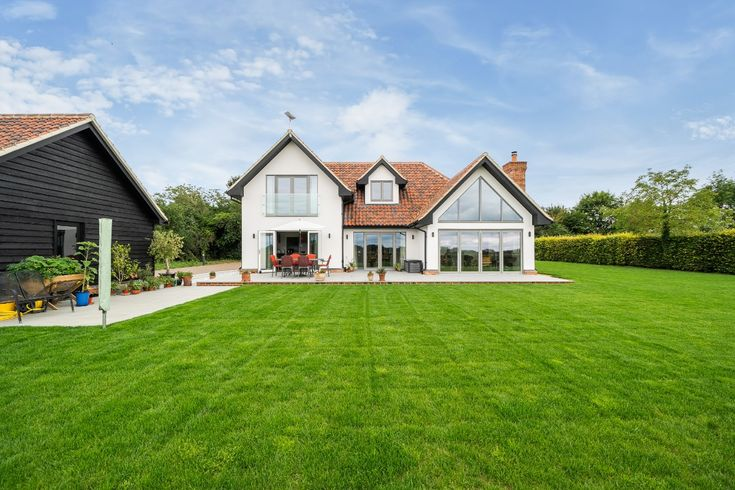
Absolutely. Contemporary house plans can blend beautifully with natural landscapes using materials like wood, stone, and glass. Many countryside homes use contemporary architecture successfully.
What colors work best in contemporary homes?
Neutral colors such as white, gray, black, beige, and soft earth tones are commonly used. These shades create a clean and elegant appearance.
Is an open floor plan always necessary?
No. While open layouts are common in contemporary homes, some homeowners prefer partial separation between rooms for privacy and noise control.
Can I customize a contemporary house plan?
Yes, customization is one of the biggest advantages of contemporary design. Homeowners can adjust layouts, materials, room sizes, and features according to their needs.
Expert Tips & Bonus Points
Choose quality over quantity when selecting materials and finishes. High-quality materials improve durability and appearance over time.
Focus on natural light placement during the planning stage. Proper window positioning can dramatically improve comfort and energy efficiency.
Use neutral interior colors as the base design. You can always add personality later with furniture and decorative accents.
Consider future needs before finalizing your layout. Flexible spaces can save renovation costs later.
Invest in energy-efficient systems early. Although they may cost more initially, they often provide long-term financial savings.
Maintain balance between simplicity and warmth. Contemporary homes should feel welcoming rather than cold or empty.
Work with experienced architects and designers who understand contemporary architecture. Professional guidance helps avoid expensive mistakes.
Prioritize storage solutions even in minimalist designs. Hidden storage maintains clean interiors without sacrificing functionality.
Think carefully about furniture scale. Properly sized furniture improves comfort and visual harmony.
Finally, create a strong indoor-outdoor connection. Sliding glass doors, patios, and gardens can significantly enhance the overall living experience.
Conclusion
Contemporary house plans continue to shape the future of residential architecture because they combine beauty, functionality, efficiency, and flexibility in one complete package. These homes are designed to support modern lifestyles while maintaining clean aesthetics and comfortable living environments. From open floor plans and smart technology to sustainable materials and natural lighting, contemporary homes offer solutions that meet the needs of today’s homeowners.
One of the greatest strengths of contemporary design is adaptability. Whether you are building a compact city home, a family residence, or a luxury retreat, contemporary house plans can be customized to fit your unique lifestyle and preferences. Their focus on efficient space usage, energy savings, and practical living makes them suitable for both beginners and experienced homeowners.
However, successful contemporary home design requires careful planning. Choosing the right layout, materials, lighting, and technology can make a major difference in the final result. Avoiding common mistakes and prioritizing functionality alongside appearance will help create a home that remains stylish and comfortable for many years.
As modern living continues to evolve, contemporary house plans remain one of the best options for people who value simplicity, innovation, and timeless design. With thoughtful planning and smart decisions, you can create a beautiful contemporary home that perfectly matches your lifestyle, personality, and long-term goals.