
Introduction
Smart lighting ideas are becoming more popular as homeowners look for better ways to improve comfort, convenience, and energy efficiency. Traditional lighting systems can only do basic tasks, but smart lighting brings automation, remote control, and customization into everyday life. Whether you want a cozy bedroom atmosphere, a productive workspace, or an elegant living room setup, smart lighting can completely transform your home experience.
Today, people use smart bulbs, motion sensors, voice assistants, and mobile apps to control lighting with ease. These systems are designed to simplify routines while adding beauty and functionality to every room. Beginners can start with a single smart bulb, while advanced users can create complete automated lighting systems throughout their homes.
Another reason smart lighting ideas are growing rapidly is energy efficiency. Many smart lighting products use LED technology, which consumes less electricity and lasts longer than traditional bulbs. Homeowners also appreciate the security benefits of automated lights that turn on while they are away.
This guide will help you understand everything about smart lighting ideas, including their importance, setup process, benefits, disadvantages, and expert tips. Whether you live in a small apartment or a large house, you will discover practical lighting solutions that fit your needs and budget. By the end of this article, you will have a clear understanding of how to build a smarter and more comfortable living environment.
What is Smart Lighting Ideas?
Smart lighting ideas refer to creative and automated lighting solutions that use modern technology to improve the way lights function inside and outside a home. These systems connect through Wi-Fi, Bluetooth, or smart home hubs, allowing users to control lighting using smartphones, tablets, remote controls, or voice assistants.
Unlike traditional lighting systems, smart lighting offers customization and automation. Users can dim lights, change colors, schedule lighting routines, and even control lights remotely while away from home. Some systems also respond to motion sensors or daylight levels automatically.
Smart lighting includes many products and technologies such as:
- Smart LED bulbs
- Smart switches
- Motion sensors
- Smart plugs
- Light strips
- Outdoor smart lighting
- Voice-controlled systems
For example, a homeowner may program bedroom lights to slowly brighten in the morning to create a natural wake-up experience. Similarly, outdoor lights can automatically turn on at sunset and switch off at sunrise.
Smart lighting ideas are suitable for many areas of the home, including:
- Living rooms
- Bedrooms
- Kitchens
- Bathrooms
- Home offices
- Gardens and patios
- Hallways and staircases
The flexibility of these systems makes them useful for both beginners and advanced users. Even simple upgrades can significantly improve convenience and comfort.
Why is Smart Lighting Ideas Important?
Smart lighting ideas are important because they combine technology, efficiency, comfort, and security in a practical way. Modern lifestyles demand convenience, and smart lighting helps homeowners save time while improving daily routines.
One major advantage is energy savings. Smart LED bulbs use less electricity than traditional bulbs, and automation prevents unnecessary power usage. Lights can automatically switch off when rooms are empty, reducing monthly utility bills.
Comfort is another key factor. Different lighting moods affect emotions, productivity, and relaxation. Bright white light is ideal for workspaces, while warm lighting creates a calm atmosphere in bedrooms and living rooms.
Security also improves with smart lighting systems. Automated schedules can make a home appear occupied even when the owner is traveling. Motion sensor lights around entrances and garages can deter unwanted visitors.
Smart lighting ideas are also valuable because they support accessibility. Elderly individuals or people with mobility challenges can control lighting without physically reaching switches.
Important reasons to use smart lighting include:
- Better energy management
- Improved home security
- Personalized lighting experiences
- Increased convenience
- Enhanced home appearance
- Remote control access
- Integration with smart home devices
As technology continues to evolve, smart lighting is becoming a standard feature in modern homes rather than a luxury upgrade.
Detailed Step-by-Step Guide
Step 1: Understand Your Lighting Needs
Before purchasing any smart lighting products, evaluate your home and determine what you want to achieve. Different rooms require different lighting solutions.
Ask yourself questions such as:
- Do you need brighter lighting for work?
- Do you want decorative mood lighting?
- Are you trying to save electricity?
- Do you need outdoor security lights?
For example, a kitchen may require bright task lighting, while a bedroom benefits from soft warm lighting.
Step 2: Choose the Right Smart Bulbs
Smart bulbs are the easiest starting point for beginners. They fit into regular light sockets and connect through Wi-Fi or Bluetooth.
Popular types include:
- White smart bulbs
- Color-changing bulbs
- Dimmable bulbs
- Energy-saving LED bulbs
Color-changing bulbs are especially useful for entertainment rooms and creative spaces.
Step 3: Select a Control Method
Smart lighting systems can be controlled in several ways:
- Smartphone apps
- Voice assistants
- Remote controls
- Motion sensors
- Smart switches
Voice assistants are particularly convenient because users can turn lights on or off using simple commands.
Step 4: Install Smart Lighting Devices
Installation is usually simple for beginners. Most smart bulbs only require screwing the bulb into the socket and connecting it through an app.
However, smart switches may require basic electrical knowledge. If you are unsure, hiring a professional electrician is safer.
Step 5: Create Lighting Schedules
Scheduling is one of the most useful smart lighting features. Lights can automatically activate based on time or activity.
Examples include:
- Bedroom lights turning on at sunrise
- Porch lights activating at sunset
- Hallway lights dimming at night
- Office lights switching off automatically
Automation improves convenience and reduces wasted energy.
Step 6: Use Motion Sensors
Motion sensors increase both efficiency and security. These sensors detect movement and activate lighting automatically.
Best areas for motion sensors include:
- Hallways
- Garages
- Bathrooms
- Outdoor entrances
- Staircases
This feature is especially helpful during nighttime.
Step 7: Add Smart Light Strips
Smart light strips are flexible LED strips that add decorative lighting to various areas.
Popular placement ideas include:
- Behind televisions
- Under kitchen cabinets
- Around mirrors
- Under beds
- Along shelves
These lighting accents create a modern and stylish appearance.
Step 8: Integrate with Smart Home Systems
Advanced users often connect smart lighting with other smart home devices.
Integration examples include:
- Lights turning on when doors unlock
- Movie mode dimming lights automatically
- Security systems activating outdoor lights
- Voice-controlled home scenes
This creates a seamless smart home experience.
Step 9: Optimize Brightness and Color Temperature
Different color temperatures affect mood and productivity.
General recommendations include:
- Cool white light for offices and kitchens
- Warm white light for bedrooms and living rooms
- Colored lighting for entertainment spaces
Adjusting brightness levels can also reduce eye strain.
Step 10: Maintain and Update the System
Regular updates keep smart lighting systems secure and functional.
Maintenance tips include:
- Updating apps and firmware
- Cleaning bulbs and fixtures
- Checking Wi-Fi connectivity
- Replacing outdated devices when needed
A well-maintained system performs more efficiently over time.
Benefits of Smart Lighting Ideas
Smart lighting ideas provide many practical advantages for homeowners and renters alike.
- Energy-efficient LED technology lowers electricity bills
- Remote control access improves convenience
- Voice commands simplify daily tasks
- Automated schedules reduce energy waste
- Motion sensors improve home security
- Adjustable brightness enhances comfort
- Color-changing lights create personalized moods
- Smart systems increase property value
- Long-lasting bulbs reduce replacement costs
- Outdoor smart lighting improves visibility and safety
- Smart scenes support entertainment experiences
- Better lighting can improve focus and productivity
- Sleep-friendly lighting supports healthier routines
- Integration with smart home devices adds flexibility
- Smart lighting systems are easy to expand gradually
These benefits explain why smart lighting continues to grow in popularity around the world.
Disadvantages / Risks
Although smart lighting ideas offer many advantages, there are also some disadvantages and risks to consider.
- Initial setup costs may be higher than traditional lighting
- Some systems depend heavily on stable internet connections
- Compatibility issues can occur between different brands
- Smart devices may require frequent software updates
- Advanced setups can feel complicated for beginners
- Privacy concerns exist with internet-connected devices
- Poor-quality products may fail quickly
- Wi-Fi interruptions can affect functionality
- Voice assistants may occasionally misunderstand commands
- Certain smart bulbs may not work with old fixtures
Despite these drawbacks, careful planning and product selection can minimize most problems.
Common Mistakes to Avoid
Many beginners make avoidable mistakes when setting up smart lighting systems. Understanding these issues can save time and money.
One common mistake is buying incompatible products. Not all smart bulbs and devices work together, so it is important to check compatibility before purchasing.
Another issue is using too many colors in one room. While color-changing bulbs are exciting, excessive use can make spaces feel cluttered or uncomfortable.
Ignoring Wi-Fi strength is another problem. Weak signals can cause delays and connection failures. Positioning routers properly improves performance.
People also often forget to consider brightness levels. Decorative lighting may look attractive but fail to provide enough illumination for daily activities.
Other common mistakes include:
- Installing low-quality products
- Skipping firmware updates
- Overcomplicating automation settings
- Ignoring energy-saving schedules
- Using incorrect bulb sizes
- Forgetting backup manual controls
Planning carefully before installation helps create a smoother smart lighting experience.
FAQs
What are smart lighting ideas?
Smart lighting ideas are modern lighting solutions that use automation, mobile apps, sensors, and voice control to improve convenience, comfort, and energy efficiency in homes.
Are smart lighting systems expensive?
Costs vary depending on the products and setup size. Beginners can start with affordable smart bulbs, while advanced whole-home systems may require larger investments.
Can smart lights work without internet?
Some smart lights can operate through Bluetooth without internet access. However, many advanced features require a stable Wi-Fi connection.
Do smart bulbs save electricity?
Yes, most smart bulbs use LED technology, which consumes less energy than traditional bulbs. Automation also reduces unnecessary power usage.
Are smart lighting ideas difficult to install?
Basic smart bulbs are easy to install because they fit standard sockets. More advanced systems, such as smart switches, may require professional assistance.
Can smart lights improve home security?
Yes, scheduled lighting and motion sensor lights help create the appearance of occupancy and improve outdoor visibility at night.
Which rooms benefit most from smart lighting?
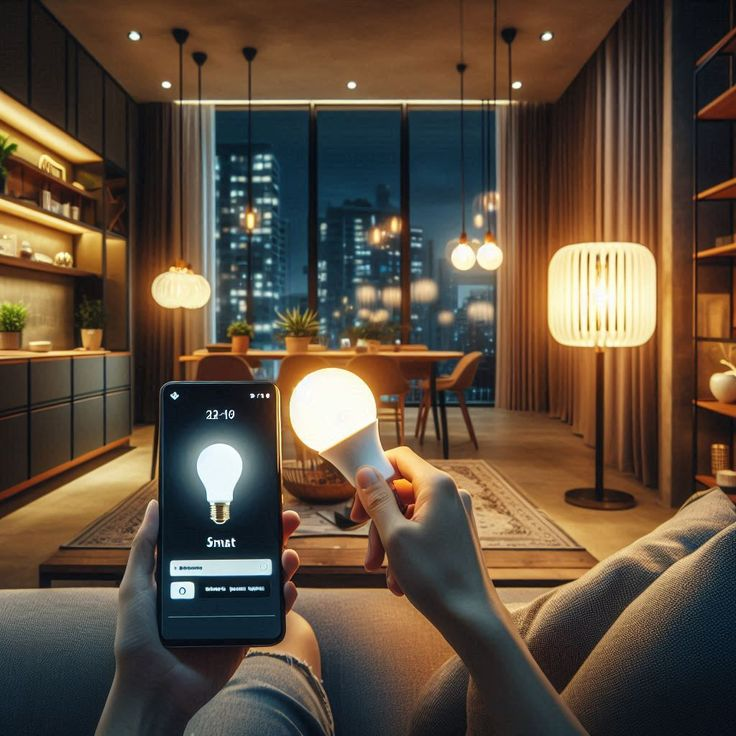
Living rooms, bedrooms, kitchens, bathrooms, hallways, and outdoor spaces all benefit from smart lighting systems.
How long do smart LED bulbs last?
Most smart LED bulbs last significantly longer than traditional bulbs, often providing many years of regular use.
Expert Tips & Bonus Points
Choosing the right smart lighting setup becomes easier with practical guidance from experienced users. Small adjustments often create major improvements.
Start with one room instead of upgrading the entire house immediately. This allows you to learn the system gradually without feeling overwhelmed.
Use layered lighting techniques for better balance. Combining ceiling lights, lamps, and accent lighting creates depth and comfort.
Smart lighting ideas work best when paired with routines. For example, bedtime scenes can dim lights slowly to encourage relaxation.
Additional expert tips include:
- Use warm lighting in bedrooms for a cozy atmosphere
- Install motion sensors in hallways for nighttime convenience
- Choose trusted brands with good customer support
- Label smart devices clearly inside apps
- Use outdoor smart lighting for safety and decoration
- Schedule lights according to daily habits
- Test automation settings before relying on them completely
- Keep manual switches accessible for emergencies
Another valuable tip is to focus on quality rather than quantity. A few well-placed smart lights often perform better than overcrowded lighting setups.
Homeowners interested in entertainment can synchronize smart lighting with music or movies for immersive experiences. This feature is especially popular in gaming rooms and home theaters.
Energy-conscious users should monitor power consumption regularly through smart apps. Many systems provide useful usage reports that help reduce waste.
Conclusion
Smart lighting ideas are transforming modern homes by combining convenience, efficiency, comfort, and style into one powerful system. From simple smart bulbs to advanced automated lighting setups, these solutions make everyday life easier and more enjoyable. Homeowners can customize brightness, colors, schedules, and automation settings to match personal preferences and routines.
One of the greatest advantages of smart lighting is flexibility. Beginners can start small with affordable products and gradually expand their systems over time. Whether you want a relaxing bedroom environment, improved home security, or reduced electricity bills, smart lighting offers practical solutions for every situation.
The technology also supports healthier lifestyles by improving sleep routines and creating comfortable work environments. Motion sensors, voice controls, and remote access add convenience while enhancing safety around the home.
Although there are some challenges such as setup costs and compatibility concerns, careful planning helps avoid most issues. Choosing reliable products and maintaining the system properly ensures long-term performance and satisfaction.
As smart home technology continues to evolve, smart lighting ideas will remain an essential part of modern interior design and home automation. By understanding your needs and applying the strategies explained in this guide, you can create a brighter, safer, and more comfortable living space that fits your lifestyle perfectly.