Introduction
A beautiful home is not only about furniture and flooring. Walls play a major role in creating a warm, stylish, and welcoming atmosphere. Many people focus on sofas, lighting, and curtains while forgetting that empty walls can make a room feel incomplete. This is why wall decor ideas have become an important part of interior design for modern homes.
Whether you live in a small apartment or a large house, decorating your walls can instantly improve the appearance of your space. The right design choices add personality, color, texture, and creativity to every room. From framed artwork and mirrors to floating shelves and handmade crafts, there are countless ways to decorate walls according to your taste and budget.
One of the best things about wall decor ideas is their flexibility. You can choose elegant styles for a luxurious look or simple decorations for a minimalist appearance. In addition, wall decoration allows homeowners to express emotions, memories, and personal interests through creative arrangements.
Today, interior trends are moving toward functional yet artistic wall designs. People want their homes to feel comfortable while also looking visually attractive. Fortunately, you do not need expensive renovations to achieve impressive results. Small changes can make a huge difference.
This detailed guide will help beginners and intermediate homeowners understand everything about wall decoration. You will discover different styles, practical methods, benefits, mistakes to avoid, expert advice, and creative inspiration to transform ordinary walls into eye-catching design features.
What is Wall Decor Ideas?
Wall decor ideas refer to different ways of decorating walls to improve the appearance and mood of a room. These ideas include artistic, functional, and decorative elements that make empty walls more attractive and meaningful.
Wall decoration can involve:
Paintings
Photo frames
Mirrors
Shelves
Wall clocks
Tapestries
Wallpapers
Wooden panels
Metal artwork
Hanging plants
The purpose of wall decor is not only beauty but also balance. A properly decorated wall creates harmony between furniture, lighting, and room colors. It helps define the style of the house and gives each space its own identity.
Modern wall decor ideas focus on combining style with functionality. For example, floating shelves provide storage while also enhancing visual appeal. Similarly, mirrors make small rooms appear larger and brighter.
Wall decoration styles vary widely. Some homeowners prefer rustic farmhouse themes, while others enjoy modern minimalist designs. Traditional art lovers may choose classic paintings, whereas creative individuals often prefer DIY crafts and personalized photo galleries.
The best part is that wall decoration can fit every budget. Expensive artwork is not necessary. Even affordable frames, handmade pieces, and creative arrangements can completely transform a room.
Why is Wall Decor Ideas Important?
Wall decoration is important because it directly affects the appearance, mood, and comfort of a living space. Empty walls can make rooms feel dull and unfinished, while decorated walls create warmth and personality.
Here are some reasons why wall decor matters:
Enhances Visual Appeal
Decorated walls make rooms look stylish and complete. Attractive designs create a polished interior that feels inviting and comfortable.
Reflects Personality
Wall decorations reveal personal taste and lifestyle. Family photos, travel memories, artwork, and favorite quotes help express individuality.
Creates Balance
Furniture alone cannot create a balanced interior. Wall decor helps distribute visual weight throughout the room for a more organized appearance.
Improves Mood
Colors, artwork, and textures influence emotions. Calm paintings create relaxation, while vibrant designs add energy and excitement.
Adds Value to Spaces
Well-designed interiors often increase the visual value of a home. Stylish wall arrangements make spaces appear more modern and luxurious.
Makes Small Rooms Look Better
Mirrors and light-colored wall designs can create the illusion of more space, making compact rooms feel larger.
Supports Interior Themes
Wall decoration helps maintain consistency throughout the home. It connects furniture, lighting, and accessories into one cohesive design.
Without thoughtful wall decoration, even expensive furniture may fail to create an attractive environment. This is why modern interior designers always consider walls an essential design element.
Detailed Step-by-Step Guide
Step 1: Understand Your Room Style
Before choosing decorations, identify the overall design theme of your room.
Common styles include:
Modern
Minimalist
Rustic
Industrial
Bohemian
Scandinavian
Traditional
Contemporary
For example, minimalist rooms work best with simple art and neutral colors, while bohemian spaces often feature colorful patterns and handmade wall hangings.
Choosing decorations that match the room style creates visual harmony.
Step 2: Choose a Color Scheme
Color selection is one of the most important parts of wall decoration.
Popular color approaches include:
Neutral tones for calm interiors
Bold colors for dramatic impact
Pastel shades for soft elegance
Earthy tones for natural warmth
Match wall decor with furniture and curtains for a coordinated appearance.
For example:
Black frames work well in modern interiors
Wooden accents suit rustic homes
Gold details complement luxurious themes
Balanced colors prevent rooms from looking overcrowded or confusing.
Step 3: Select the Right Wall Art
Wall art is one of the easiest ways to decorate spaces creatively.
Popular wall art options include:
Canvas Paintings
Canvas artwork adds sophistication and elegance. Large pieces create strong focal points in living rooms and bedrooms.
Photo Galleries
Family photos arranged in creative layouts add warmth and personal memories to walls.
Typography Art
Inspirational quotes and stylish text prints are popular in modern homes.
Abstract Art
Abstract designs bring creativity and artistic energy to interiors.
Nature Prints
Landscapes, flowers, and botanical themes create calm and refreshing environments.
Choose artwork sizes carefully. Large walls usually need bigger pieces or gallery arrangements to avoid empty-looking spaces.
Step 4: Add Mirrors for Style and Space
Mirrors are practical and decorative at the same time.
Benefits of mirrors include:
Reflecting natural light
Making rooms appear larger
Adding elegance
Creating depth
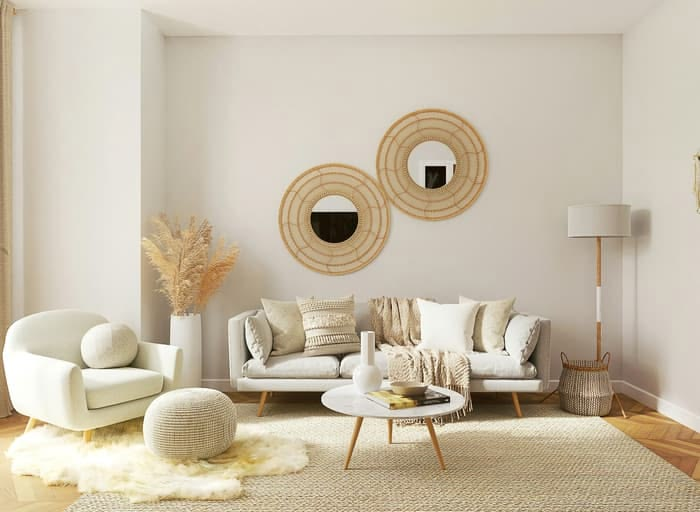
Round mirrors are popular in modern interiors, while vintage mirrors suit traditional spaces.
Place mirrors opposite windows whenever possible to maximize brightness.
Step 5: Install Floating Shelves
Floating shelves are functional wall decor elements that provide storage and beauty.
You can display:
Books
Small plants
Candles
Frames
Decorative objects
Souvenirs
Avoid overcrowding shelves. Keep arrangements balanced and visually clean.
Wooden shelves create warmth, while black metal shelves add industrial character.
Step 6: Use Wallpaper Creatively
Wallpaper has become extremely popular in modern interior design.
Trending wallpaper styles include:
Floral patterns
Geometric designs
Textured finishes
Marble effects
Tropical themes
Accent walls are a smart choice if you do not want wallpaper throughout the entire room.
Wallpaper instantly changes the mood of a space without major renovation costs.
Step 7: Add Texture to Walls
Texture makes walls more interesting and luxurious.
Popular textured wall options include:
Wooden panels
Brick finishes
Stone accents
Fabric panels
3D wall designs
Textured walls work especially well in living rooms and bedrooms because they create depth and visual richness.
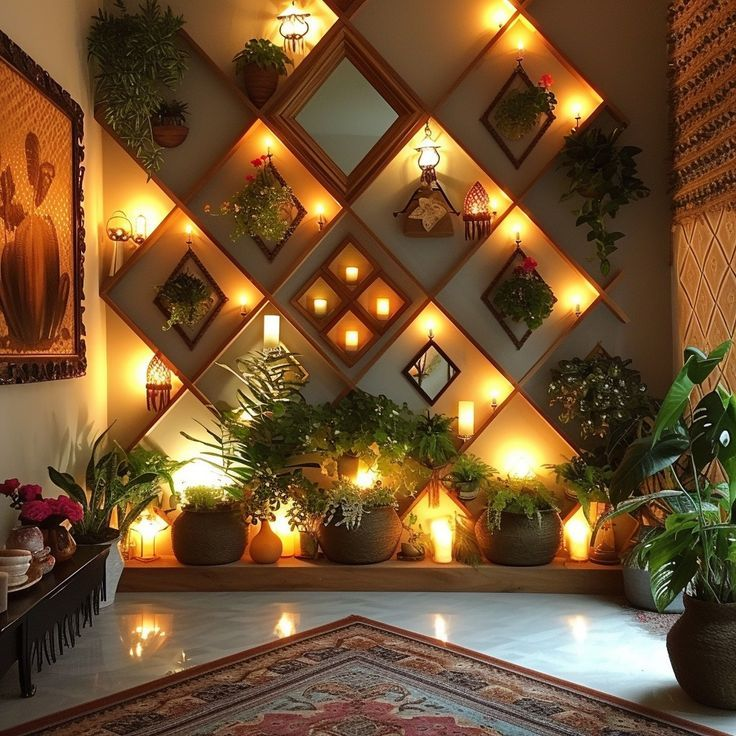
Step 8: Include Greenery and Plants
Plants are excellent decorative elements for walls.
Ideas include:
Hanging planters
Vertical gardens
Wall-mounted pots
Artificial greenery panels
Plants create freshness and improve the atmosphere of indoor spaces.
Even small green touches can make interiors feel more natural and relaxing.
Step 9: Try DIY Wall Decor Projects
DIY wall decoration is affordable and creative.
Simple DIY ideas include:
Handmade paintings
Macrame hangings
Recycled wood art
Custom photo boards
Decorative paper crafts
DIY projects allow homeowners to personalize their interiors while saving money.
They are also enjoyable family activities.
Step 10: Focus on Lighting
Lighting affects how wall decor appears.
Wall lighting options include:
Sconces
LED strips
Picture lights
Decorative lamps
Warm lighting creates comfort, while bright white lighting enhances modern aesthetics.
Good lighting highlights textures, colors, and artwork beautifully.
Benefits of Wall Decor Ideas
Wall decoration offers many advantages for homeowners and renters alike.
Main Benefits
Improves room appearance instantly
Makes spaces feel complete
Reflects personality and creativity
Creates comfortable environments
Adds depth and texture
Enhances interior themes
Increases visual value of homes
Makes small rooms look bigger
Provides artistic expression
Helps organize walls functionally
Emotional Benefits
Creates relaxing atmospheres
Encourages positive moods
Makes homes feel welcoming
Adds warmth and comfort
Financial Benefits
Affordable compared to renovations
Easy to update over time
Can increase property appeal
Decorating walls is one of the simplest ways to transform interiors without spending excessive money.
Disadvantages / Risks
Although wall decoration has many benefits, there are also some disadvantages and risks to consider.
Possible Disadvantages
Overdecorating can make rooms feel crowded
Poor color choices may create visual imbalance
Large decorations can overwhelm small spaces
Cheap materials may look unattractive quickly
Frequent trend changes can become expensive
Incorrect installations may damage walls
Excessive decorations collect dust easily
Common Risks
Hanging heavy items improperly
Using mismatched styles
Ignoring room proportions
Choosing decorations without planning
Fortunately, most of these problems can be avoided with proper preparation and thoughtful design decisions.
Common Mistakes to Avoid
Many homeowners make decorating mistakes that reduce the beauty of their interiors. Understanding these issues helps create better results.
Ignoring Wall Size
Large walls need bigger artwork or grouped arrangements. Small decorations alone may look disconnected.
Hanging Art Too High
Artwork should usually be placed at eye level for balanced visual impact.
Using Too Many Colors
Too many bright colors can create confusion and clutter. Maintain a coordinated palette.
Overcrowding Shelves
Shelves filled with excessive objects lose their decorative appeal.
Forgetting Lighting
Poor lighting reduces the beauty of wall decorations.
Choosing Trends Blindly
Follow styles that match your personality instead of copying every trend.
Ignoring Room Function
Decor should suit the room purpose. Calm designs work better in bedrooms, while vibrant styles fit entertainment areas.
Using Low-Quality Materials
Cheap decorations often wear out quickly and reduce the overall appearance of interiors.
Avoiding these mistakes creates cleaner, more professional-looking spaces.
FAQs
- What are the best wall decor ideas for small rooms?
Mirrors, floating shelves, light-colored artwork, and minimal decorations work best for small rooms because they create openness without overcrowding the space.
- How do I choose the right wall art?
Choose artwork based on your room style, color palette, and personal taste. Large walls generally require larger pieces or grouped arrangements.
- Are DIY wall decor projects worth trying?
Yes, DIY projects are affordable, creative, and highly customizable. They allow homeowners to personalize interiors according to their preferences.
- What colors work best for wall decoration?
Neutral shades, earth tones, and soft pastels are versatile choices. Bold colors can also work when used carefully as accents.
- How can I decorate walls on a budget?
Affordable options include photo galleries, printable art, DIY crafts, wall stickers, and secondhand decorative pieces.
- Should every wall in a room be decorated?
No, empty space is important for visual balance. Overdecorating can make interiors feel crowded and overwhelming.
- Are mirrors good wall decorations?
Yes, mirrors add elegance, reflect light, and make rooms appear larger. They are especially useful in small spaces.
- How often should wall decor be updated
There is no fixed rule. Many homeowners refresh decorations seasonally or whenever they want a new interior appearance.
Expert Tips & Bonus Points
Professional decorators use several techniques to create visually attractive interiors.
Mix Different Textures
Combine wood, metal, fabric, and glass for more dynamic wall designs.
Create a Focal Point
Every room should have one main decorative feature that immediately attracts attention.
Use Odd Numbers
Decor arrangements often look better in groups of three or five.
Layer Decorations
Combining mirrors, artwork, and shelves creates more depth and visual interest.
Maintain Consistency
Keep design themes connected throughout the room.
Rotate Decorations
Changing artwork and accessories occasionally keeps interiors feeling fresh.
Use Large Art Carefully
Oversized artwork works best when balanced with simple furniture and neutral surroundings.
Incorporate Personal Elements
Family photos, travel souvenirs, and handmade items make homes feel authentic and meaningful.
Consider Seasonal Updates
Switching small decorations according to seasons creates variety without major expense.
Keep Walls Balanced
Do not place all decorations on one side of the room. Visual balance is important for harmonious interiors.
Conclusion
Decorating walls is one of the easiest and most effective ways to transform a home. Thoughtful wall decor ideas can turn plain spaces into stylish, comfortable, and welcoming environments. Whether you prefer modern elegance, rustic charm, or minimalist simplicity, there are countless ways to personalize your interiors through creative wall decoration.
The key to successful wall design is balance. Colors, textures, artwork, shelves, mirrors, and lighting should work together naturally instead of competing for attention. Small decorative changes often create impressive visual improvements without requiring expensive renovations.
Another important advantage of wall decoration is flexibility. You can experiment with different styles, update designs over time, and adapt interiors according to changing preferences. From budget-friendly DIY projects to luxurious statement pieces, every homeowner can find suitable options for their space.
At the same time, avoiding common mistakes is essential. Overcrowded walls, poor lighting, and mismatched styles can reduce the beauty of interiors. Planning carefully helps create polished and harmonious results.
Ultimately, wall decoration is more than simply filling empty spaces. It reflects personality, creates emotional comfort, and improves daily living experiences. A beautifully decorated wall adds warmth, character, and artistic value to any room.
By applying the ideas, techniques, and expert tips discussed in this guide, you can confidently create interiors that feel both stylish and deeply personal