
Introduction
A kitchen is more than just a place where meals are prepared. It is often the center of the home where families gather, conversations happen, and memories are created. Because of this, many homeowners decide to improve their kitchens to make them more comfortable, modern, and practical. Learning the right kitchen remodeling tips can help you avoid expensive mistakes while creating a space that fits your lifestyle perfectly.
Whether you have a small apartment kitchen or a large cooking area, remodeling can completely transform the atmosphere of your home. However, many beginners feel overwhelmed when they start planning. Questions about layout, budget, cabinets, lighting, flooring, and appliances can quickly become confusing. That is why understanding simple and effective kitchen remodeling tips is extremely important before beginning any renovation project.
A successful kitchen remodel is not only about appearance. It is also about functionality, storage, energy efficiency, and long-term value. Smart planning allows homeowners to improve daily cooking routines while increasing property value at the same time. Even small updates can make a huge difference when they are done correctly.
In this guide, you will learn practical strategies for designing a beautiful kitchen, choosing the right materials, saving money, and avoiding common remodeling errors. These kitchen remodeling tips are suitable for beginners as well as intermediate homeowners who want to upgrade their space with confidence and creativity.
What Is Kitchen Remodeling Tips?
Kitchen remodeling tips are practical suggestions and strategies that help homeowners improve their kitchens efficiently and affordably. These tips cover every stage of renovation, including planning, budgeting, layout design, storage improvements, lighting upgrades, material selection, and appliance installation.
A kitchen remodel can range from small cosmetic updates to a complete renovation. Some people replace cabinets and countertops, while others redesign the entire kitchen structure. The right kitchen remodeling tips help ensure that every decision supports comfort, convenience, and visual appeal.
For example, one useful remodeling tip is to focus on workflow. A well-designed kitchen allows smooth movement between the stove, sink, and refrigerator. Another common tip involves maximizing vertical storage to keep the space organized without making it feel crowded.
Kitchen remodeling also includes selecting durable materials that can handle moisture, heat, and daily wear. Choosing easy-to-clean surfaces and energy-efficient appliances can improve long-term satisfaction and reduce maintenance costs.
Modern remodeling trends often include open shelving, smart storage solutions, minimalist cabinets, and natural lighting. However, timeless designs remain popular because they continue looking attractive for many years.
Ultimately, kitchen remodeling tips help homeowners make informed choices while creating a kitchen that combines beauty, practicality, and value.
Why Is Kitchen Remodeling Important?
Kitchen remodeling is important because it improves both the appearance and functionality of one of the most frequently used areas in a home. An outdated kitchen may create inconvenience, waste space, and reduce overall comfort.
Here are some major reasons why remodeling matters:
- Improves Daily Functionality
A well-designed kitchen makes cooking, cleaning, and organizing easier. Better layouts improve workflow and save time. - Increases Home Value
Modern kitchens attract buyers and often increase resale value. Updated cabinets, countertops, and appliances make homes more appealing. - Enhances Storage Space
Remodeling allows homeowners to add cabinets, drawers, shelves, and hidden storage solutions for better organization. - Saves Energy
Replacing old appliances with energy-efficient models reduces electricity and water consumption. - Improves Safety
Older kitchens may have damaged wiring, slippery floors, or poor lighting. Renovations help create a safer environment. - Creates Better Comfort
Modern lighting, ventilation, and seating arrangements make the kitchen more enjoyable for family gatherings. - Reflects Personal Style
Remodeling allows homeowners to customize colors, materials, and layouts according to their preferences.
By following smart kitchen remodeling tips, homeowners can enjoy long-term benefits without unnecessary stress or overspending.
Detailed Step-by-Step Guide
Step 1: Set a Realistic Budget
Before starting any remodeling project, determine how much money you can comfortably spend. Include costs for materials, labor, appliances, permits, and unexpected repairs.
A simple budget breakdown may include:
- Cabinets: 30%
- Appliances: 20%
- Labor: 20%
- Countertops: 10%
- Flooring: 7%
- Lighting and plumbing: 8%
- Emergency expenses: 5%
Always leave extra room for surprises because renovation costs can increase unexpectedly.
Step 2: Understand Your Kitchen Needs
Think carefully about how you use your kitchen every day. Some homeowners cook frequently, while others mainly use the space for family gatherings.
Ask yourself:
- Do you need more storage?
- Is the current layout uncomfortable?
- Do you require better lighting?
- Will multiple people cook together?
Your answers will guide important remodeling decisions.
Step 3: Choose the Right Kitchen Layout
The kitchen layout strongly affects efficiency and comfort. Popular layouts include:
L-Shaped Kitchen
Ideal for small and medium spaces. It creates an open feeling while maximizing corners.
U-Shaped Kitchen
Provides plenty of storage and workspace. Suitable for larger kitchens.
Galley Kitchen
Features two parallel counters. Works well in compact homes and apartments.
Island Kitchen
Adds extra counter space and seating. Perfect for open-concept homes.
A functional layout is one of the most important kitchen remodeling tips for long-term convenience.
Step 4: Upgrade Cabinets Wisely
Cabinets usually dominate kitchen design visually and financially. Choose durable materials that can handle daily use.
Popular cabinet options include:
- Solid wood cabinets
- MDF cabinets
- Plywood cabinets
- Laminate cabinets
Soft-close drawers and pull-out shelves improve usability. Light-colored cabinets can also make small kitchens appear larger.
Step 5: Select Durable Countertops
Countertops should balance style, durability, and maintenance requirements.
Popular choices include:
- Quartz
- Granite
- Marble
- Butcher block
- Laminate
Quartz countertops remain highly popular because they resist stains and require minimal maintenance.
Step 6: Focus on Lighting
Good lighting dramatically improves kitchen appearance and functionality.
Combine different lighting types:
- Ambient lighting for overall brightness
- Task lighting under cabinets
- Accent lighting for decoration
Pendant lights above islands add both beauty and practicality.
Step 7: Improve Storage Solutions
Modern kitchens benefit from creative storage systems.
Examples include:
- Pull-out pantry shelves
- Corner drawers
- Hanging racks
- Deep utensil organizers
- Vertical dividers
These smart kitchen remodeling tips help maintain a clean and organized environment.
Step 8: Choose Suitable Flooring
Kitchen floors must resist spills, scratches, and moisture.
Common flooring options include:
- Ceramic tiles
- Vinyl flooring
- Hardwood flooring
- Laminate flooring
Vinyl has become popular because it is affordable, water-resistant, and comfortable underfoot.
Step 9: Install Energy-Efficient Appliances
Modern appliances improve convenience while lowering utility bills.
Consider upgrading to:
- Energy-efficient refrigerators
- Induction cooktops
- Smart ovens
- Low-water dishwashers
Although these appliances may cost more initially, they often save money over time.
Step 10: Add Personal Style
Your kitchen should reflect your personality.
You can personalize the space through:
- Color schemes
- Decorative backsplashes
- Unique cabinet handles
- Open shelving
- Indoor plants
Simple decorative touches can make the kitchen feel warm and welcoming.
Benefits of Kitchen Remodeling Tips
Following proper kitchen remodeling tips provides many advantages for homeowners.
- Improves kitchen organization
- Enhances cooking efficiency
- Increases property value
- Creates better lighting conditions
- Reduces clutter
- Saves energy costs
- Improves family interaction
- Enhances overall comfort
- Provides modern functionality
- Makes cleaning easier
- Increases storage capacity
- Creates a more attractive home environment
These benefits make remodeling one of the most valuable home improvement investments.
Disadvantages / Risks
Despite many advantages, kitchen remodeling also involves some challenges and risks.
- Renovation projects can become expensive
- Construction noise may disturb daily life
- Unexpected repairs may increase costs
- Poor planning can waste space
- Delays may extend the project timeline
- Low-quality materials may wear out quickly
- Trendy designs can become outdated
- DIY mistakes may require costly repairs
- Temporary kitchen disruption can create inconvenience
Careful planning and realistic expectations help minimize these risks effectively.
Common Mistakes to Avoid
Many homeowners make avoidable mistakes during remodeling projects. Learning from these errors can save time and money.
Ignoring Workflow
The sink, stove, and refrigerator should form an efficient working triangle. Poor layouts make cooking difficult and frustrating.
Choosing Style Over Function
Beautiful designs are important, but functionality should always come first. A stylish kitchen that lacks storage or workspace becomes inconvenient.
Underestimating the Budget
Unexpected expenses happen frequently during renovations. Always prepare for additional costs.
Poor Lighting Choices
One overhead light is usually not enough. Layered lighting improves both appearance and practicality.
Buying Cheap Materials
Low-quality materials may look attractive initially but often wear out quickly.
Forgetting Ventilation
Proper ventilation removes smoke, odors, and moisture. A powerful range hood improves air quality significantly.
Following Trends Blindly
Extremely trendy designs may lose popularity quickly. Timeless styles often provide better long-term satisfaction.
Skipping Professional Help
Complex plumbing and electrical work should be handled by qualified professionals for safety reasons.
FAQs
1. How much does a kitchen remodel usually cost?
Kitchen remodeling costs vary depending on size, materials, and design complexity. Small renovations may cost a few thousand dollars, while luxury remodels can cost significantly more. Setting a clear budget before starting is essential.
2. How long does a kitchen remodel take?
Most kitchen remodels take between four and twelve weeks. Larger renovations involving structural changes may require more time.
3. What is the most important part of kitchen remodeling?
Layout planning is one of the most important factors. A functional kitchen layout improves movement, comfort, and efficiency.
4. Should I remodel my kitchen before selling my house?
Yes, kitchen renovations often increase property value and attract buyers. Even small updates like new lighting or cabinet paint can improve appeal.
5. Which countertop material is best?
Quartz is one of the best choices because it is durable, attractive, and easy to maintain. However, the ideal material depends on your budget and style preferences.
6. Can I remodel my kitchen myself?
Small projects like painting cabinets or changing hardware can be done independently. However, electrical and plumbing work usually requires professional assistance.
7. What colors work best for kitchens?
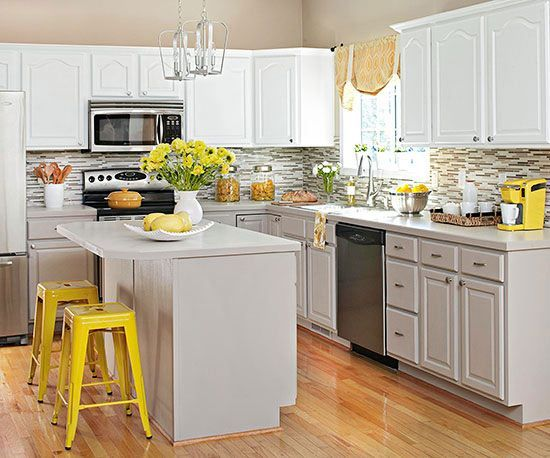
Neutral shades like white, gray, beige, and soft blue remain popular because they create a clean and timeless appearance.
8. How can I make a small kitchen look bigger?
Use light colors, reflective surfaces, open shelving, and good lighting. Avoid bulky furniture and excessive decorations.
Expert Tips & Bonus Points
Experienced designers and contractors often recommend additional kitchen remodeling tips that greatly improve results.
Prioritize Storage
Many homeowners regret not adding enough storage. Deep drawers and tall cabinets maximize space efficiently.
Invest in Quality Hardware
Strong hinges, handles, and drawer slides improve durability and daily comfort.
Use a Neutral Base
Neutral colors remain attractive for many years and allow easy decoration changes later.
Consider Future Needs
Think about long-term convenience. Features like wider walkways and accessible storage improve future usability.
Add Multi-Functional Features
Kitchen islands with seating and storage provide excellent functionality in modern homes.
Test Lighting Before Installation
Different lighting temperatures affect kitchen appearance significantly. Warm lighting creates comfort, while cool lighting improves visibility.
Keep Cleaning in Mind
Choose surfaces that resist stains and are easy to maintain. This reduces daily cleaning stress.
Mix Open and Closed Storage
Open shelves display decorative items, while closed cabinets hide clutter effectively.
Upgrade Faucets Carefully
Modern pull-down faucets improve cleaning efficiency and convenience.
Plan Electrical Outlets
Additional outlets support modern appliances and prevent extension cord clutter.
These professional kitchen remodeling tips help create a space that remains stylish, functional, and comfortable for years.
Conclusion
A successful kitchen renovation requires thoughtful planning, realistic budgeting, and careful design decisions. By following proven kitchen remodeling tips, homeowners can create a space that combines beauty, comfort, and functionality without unnecessary stress. Whether you want a modern open-concept kitchen or a simple practical upgrade, every improvement should support your daily lifestyle and long-term goals.
The most effective remodeling projects focus on balancing style with convenience. Features such as smart storage, efficient lighting, durable materials, and energy-saving appliances improve the kitchen experience significantly. At the same time, avoiding common mistakes helps protect your budget and ensures lasting satisfaction.
Kitchen remodeling does not always require massive changes. Sometimes small updates like repainting cabinets, replacing countertops, upgrading lighting, or adding better storage can completely transform the atmosphere. The key is understanding your needs and making decisions that fit your space and budget.
Remember that trends may change, but functionality and comfort always remain important. Choosing timeless designs and quality materials often provides better value over time. Careful preparation also reduces delays, unexpected expenses, and renovation stress.
By applying these kitchen remodeling tips thoughtfully, beginners and intermediate homeowners can confidently create a kitchen that feels modern, welcoming, and highly efficient. A well-designed kitchen not only improves everyday life but also adds lasting value to the entire home.